
About the Trust
Established in 1936, the Charles A. King Trust was created to support and promote the investigation of human disease and the alleviation of human suffering through improved treatment. Other contributors, including the Sara Elizabeth O’Brien Trust and Simeon J. Fortin Charitable Foundation, Bank of America, N.A., Trustee, and the Bushrod H. Campbell and Adah F. Hall Charity Fund have joined the Charles A. King Trust, Melissa MacGillivray Dane and Susan Monahan, Co-Trustees, in supporting the King Trust Postdoctoral Research Fellowship Program. The Medical Foundation at Health Resources in Action (HRiA), a non-profit organization in Boston that advances public health and medical research, administers the program on behalf of the Funders.
The Charles A. King Trust Postdoctoral Research Fellowship Program is designed to support postdoctoral fellows and physician-scientists in the mid to late stages of their research training within the state of Massachusetts. The program provides vital support to prepare postdoctoral fellows for academic careers as successful independent investigators in biomedical research through two separate grant programs focused on (1) basic science and (2) clinical and health services research.
Questions can be emailed to KingAwards@hria.org.
The Charles A. King Trust Fellowship Program has announced the selection of the 2026 cohort of Research Fellows. Each fellow will receive two years of funding for research that focuses on the causes of human disease and improved treatment methodologies. Congratulations to all of the awardees!
Scroll to see the previous year’s awardees.
2026 Fellows
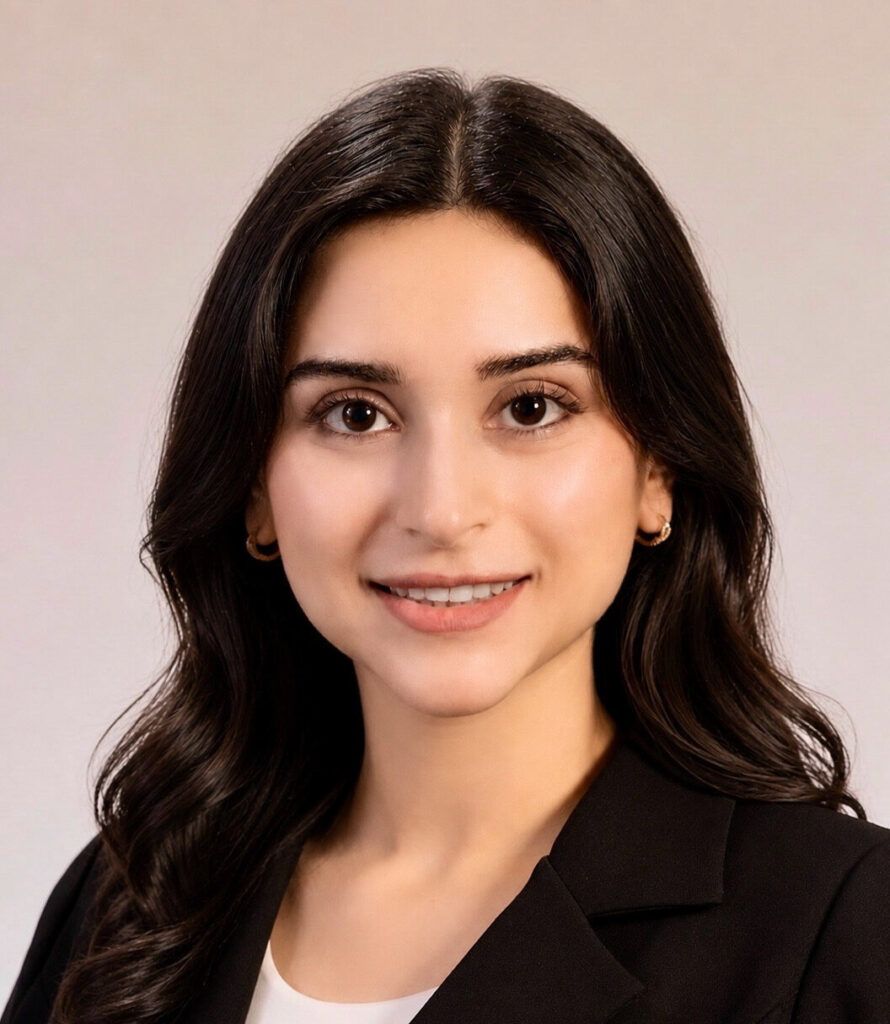
Niloufar Bineshfar, M.D.
INSTITUTE:
Massachusetts Eye and Ear Infirmary
MENTOR:
Nazlee Zebardast, MD, MPH
NLP-Enhanced and Subtype-Specific Polygenic Risk Scores for Precision Glaucoma Prediction
Dr. Bineshfar’s work asks whether advanced natural-language processing and genomic analysis can be combined to transform millions of unstructured clinic notes in electronic health records into precise, unbiased disease labels and more accurate risk scores for glaucoma and its major subtypes. Glaucoma is the leading cause of irreversible blindness worldwide and is often treated as a single uniform disease, even though its many biological subtypes differ in cause, progression, and treatment response. Teaching computer models to learn from clinical notes, and identify each patient’s specific glaucoma subtype, will ultimately lead to the generation of tools that could help clinicians identify high-risk glaucoma patients earlier, personalize monitoring and therapy, and guide the design of more efficient clinical trials—advancing the goal of preventing blindness through truly individualized glaucoma care.
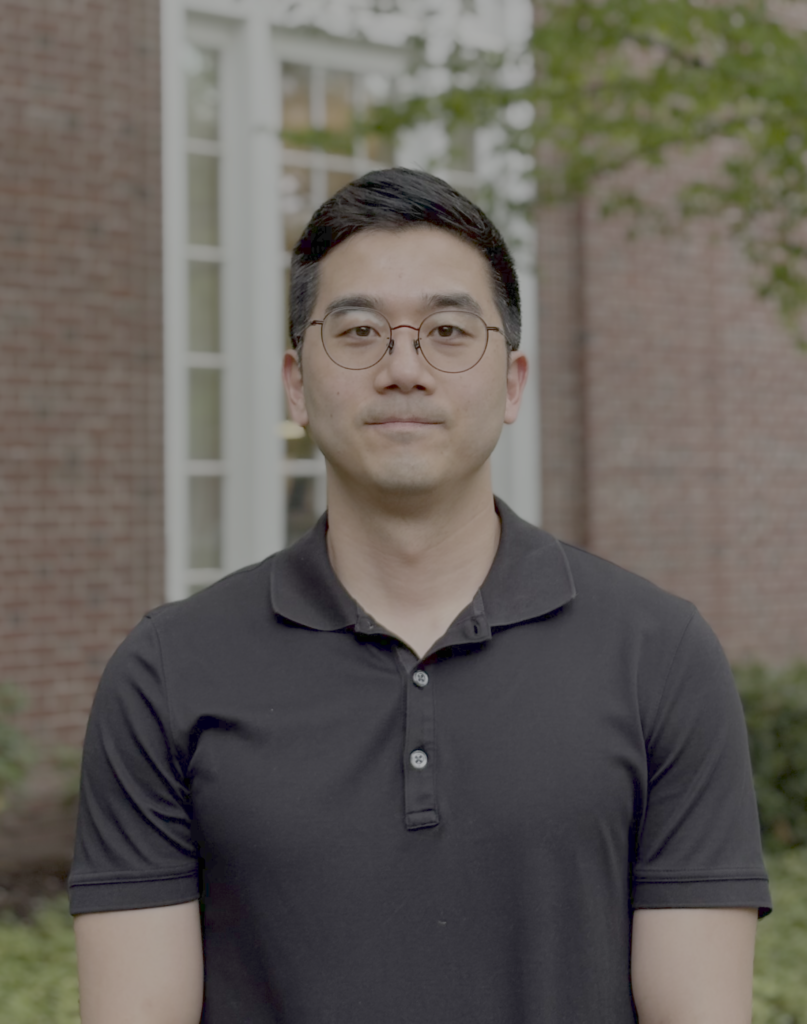
Joon Hwan Choi, Ph.D.
INSTITUTE:
Boston Children’s Hospital
MENTOR:
Jonathan Kagan, Ph.D.
Oxidized Phospholipid Signaling as a Determinant of Immune Polarity in Infection, Cancer, and Vaccination
Dr. Choi’s work will uncover how lipid damage signals released by damaged cells shape the body’s immune response during infection, cancer, and vaccination. Understanding how these lipid damage signals switch between harmful and protective roles could enable new therapies that strengthen protection while avoiding unwanted inflammation. Dr. Choi will use advanced mouse models and molecular tools to explore how these lipids affect communication between immune cells that determine the strength and quality of immune protection.
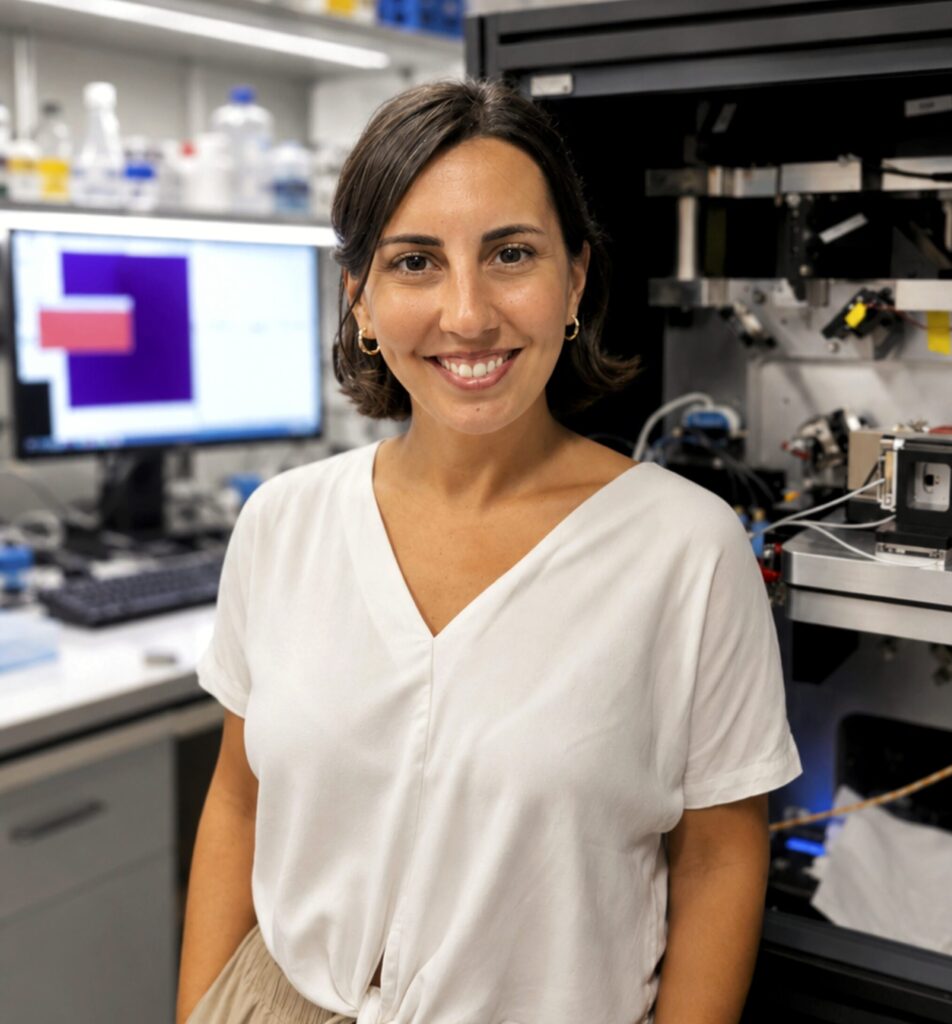
Marilina de Sautu, Ph.D.
INSTITUTE:
Boston Children’s Hospital
MENTOR:
Stephen C. Harrison, Ph.D.
Molecular mechanisms of non-enveloped virus entry: how rotavirus infects a cell
Dr. de Sautu’s work aims to define mechanisms of cellular membrane remodeling during entry and assembly of non-enveloped viruses. Understanding how non-enveloped viruses disrupt and remodel cell membranes is critical, not only for designing antiviral drugs to block infection but also for learning how simple particles like viruses can deliver genetic material and other cargo into cells or specific organelles. With rotavirus as the example of a non-enveloped virus, Dr. de Sautu will use cutting-edge cryo-electron tomography, combined with single-molecule cryo-EM, to capture 3D snapshots of the virus at each stage inside cells and show how the outer-layer viral proteins undergo structural rearrangements to allow the virus to break through cell membranes during entry and how the same proteins interact with organelle membranes during assembly of new virus particles.
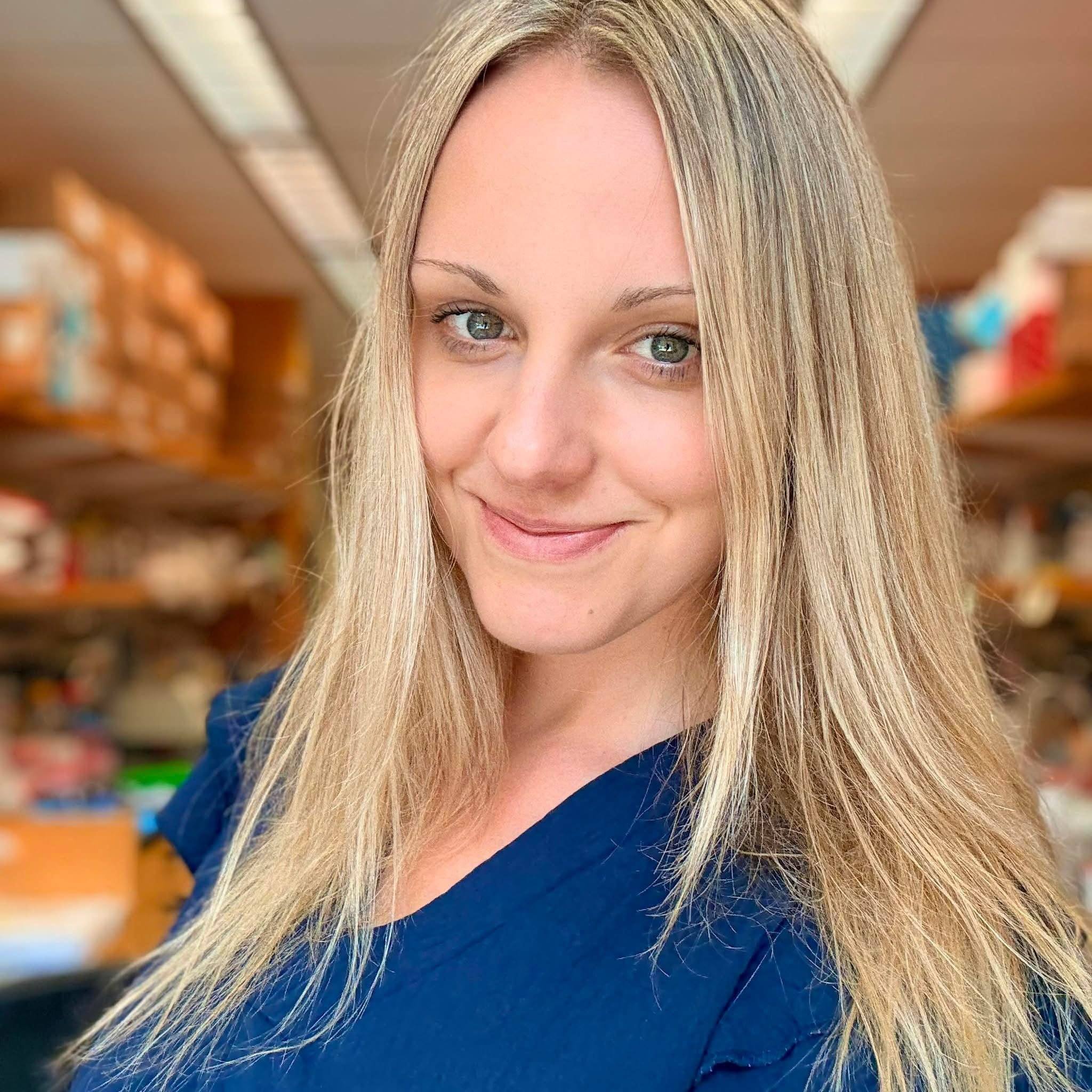
Susan Kilgas, Ph.D.
INSTITUTE:
Dana-Farber Cancer Institute
MENTOR:
Dipanjan Chowdhury, Ph.D.
Elucidating the Molecular Mechanism of TIRR-Mediated p53 Inhibition: From Transcriptional Regulation to Therapeutic Targeting
The goal of Dr. Kilgas’ research is to understand how a specific RNA-binding protein, TIRR, suppresses the activity of a set of RNAs that are activated by an important tumor suppressor protein, p53, and its impact on cancer development. Discovering how p53 activity is precisely controlled could reveal safer and more effective ways to restore its natural tumor-fighting function in cancers that disable p53 without mutating it—a long-standing challenge in cancer research. By integrating advanced sequencing techniques, RNA imaging in cells, and targeted inhibitors, this research will uncover how TIRR shapes p53’s network of genes and show how disrupting TIRR’s activity can reactivate p53 in tumors.
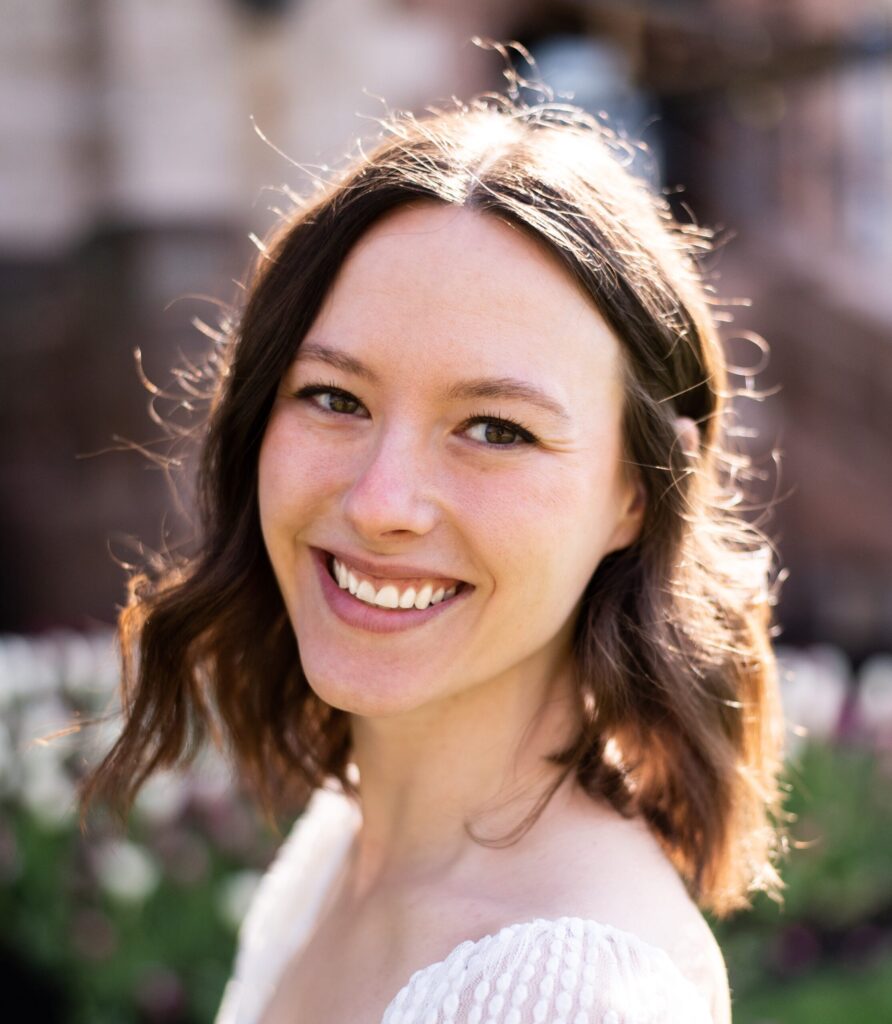
Lauren Milling, Ph.D.
INSTITUTE:
Harvard University
MENTOR:
Arlene H. Sharpe, M.D. Ph.D.
Enhancing Immune Responses to Metastatic Triple Negative Breast Cancer
Dr. Milling’s research aims to understand the most effective therapeutic targets for enhancing T cell immunity against metastatic triple negative breast cancer. Metastatic triple negative breast cancer has poor outcomes, few targeted therapies options, and limited responsiveness to approved immunotherapies, yet the link between tumor immune infiltration and better prognosis highlights the potential of developing new immunostimulatory treatments. Dr. Milling will use a spontaneously metastasizing mouse model of triple negative breast cancer and in vitro killing assays with human cancer cell lines to evaluate how modulating two novel genes identified as top regulators of immune cells enhances T cell immunity against tumors.
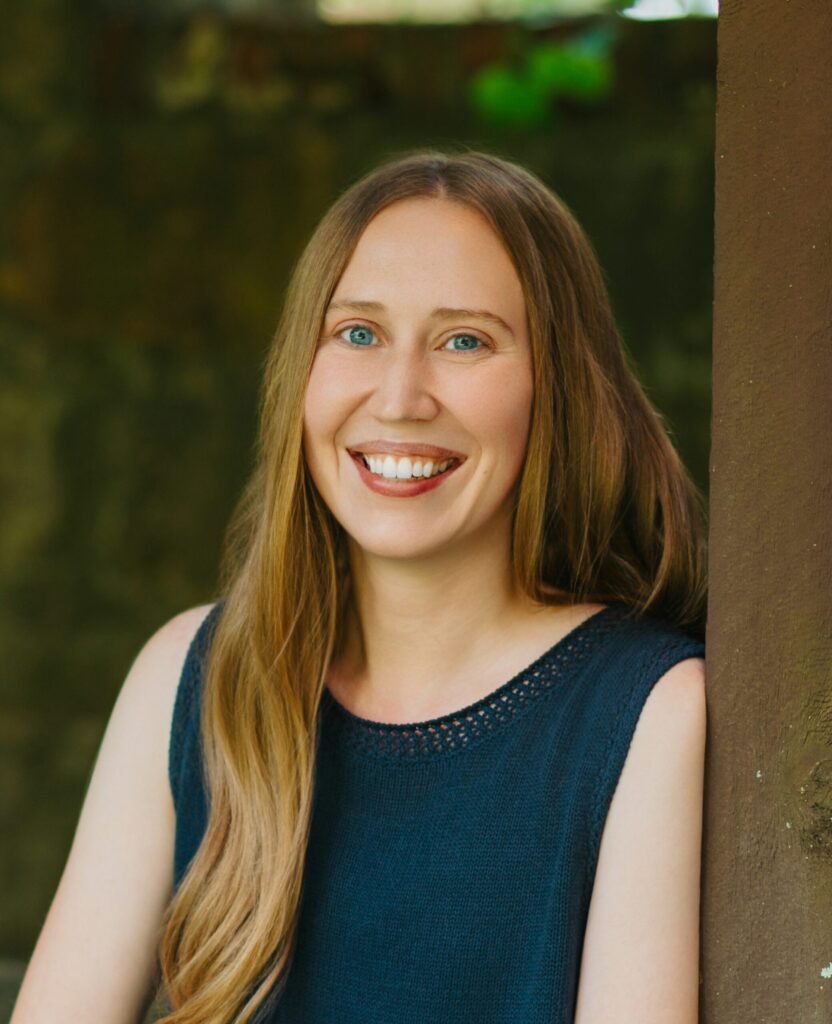
Anna Moyer, Ph.D.
INSTITUTE:
University of Massachusetts Chan Medical School
MENTOR:
Summer Thyme, Ph.D.
Neurodevelopmental Effects of ERG Overexpression in Down Syndrome
Dr. Moyer’s project focuses on Down syndrome – the most common genetic cause of intellectual disability that affects more than 5 million people worldwide. Although medical management of some Down syndrome-associated phenotypes is possible, there are currently no FDA-approved drug therapies targeting intellectual disability, which is a major factor limiting quality of life for people with Down syndrome. Successful completion of Dr. Moyer’s project will yield new approaches for using zebrafish to model Down syndrome pathogenesis and may help identify molecular pathways that could be targeted to improve brain development.
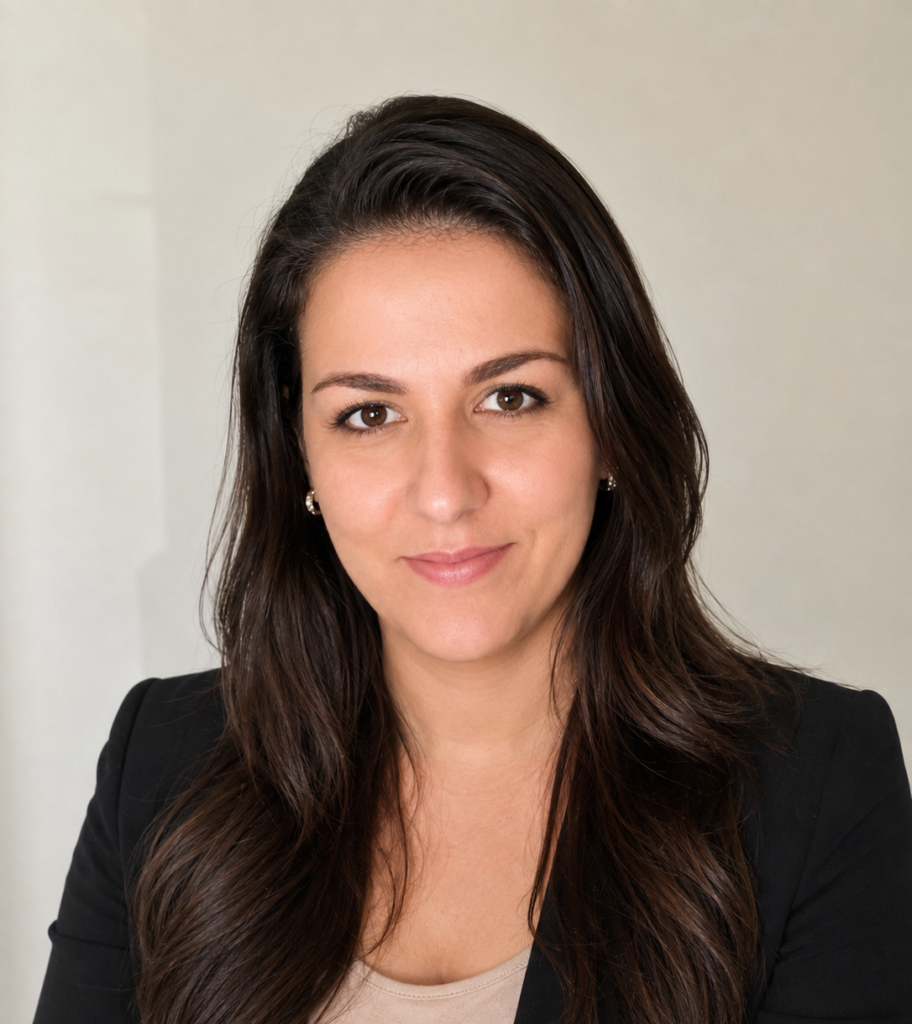
Flaviane Silva, Ph.D.
INSTITUTE:
University of Massachusetts Chan Medical School
MENTOR:
David Guertin, Ph.D.
Targeting Nutrient Sensing to Treat Polycystic Kidney Disease
Dr. Silva aims to understand how alteration of nutrient sensing proteins influences the development of kidney cysts. Polycystic kidney disease is a genetic disease affecting approximately 1 in 500 people worldwide, in which fluid-filled cysts progressively replace health kidney tissue, and often leads to kidney failure. Dr. Silva generated new models to study the intracellular signals that cause kidney cysts, to help discover more specific treatments for polycystic kidney disease, which currently has no cure or highly effective treatments.
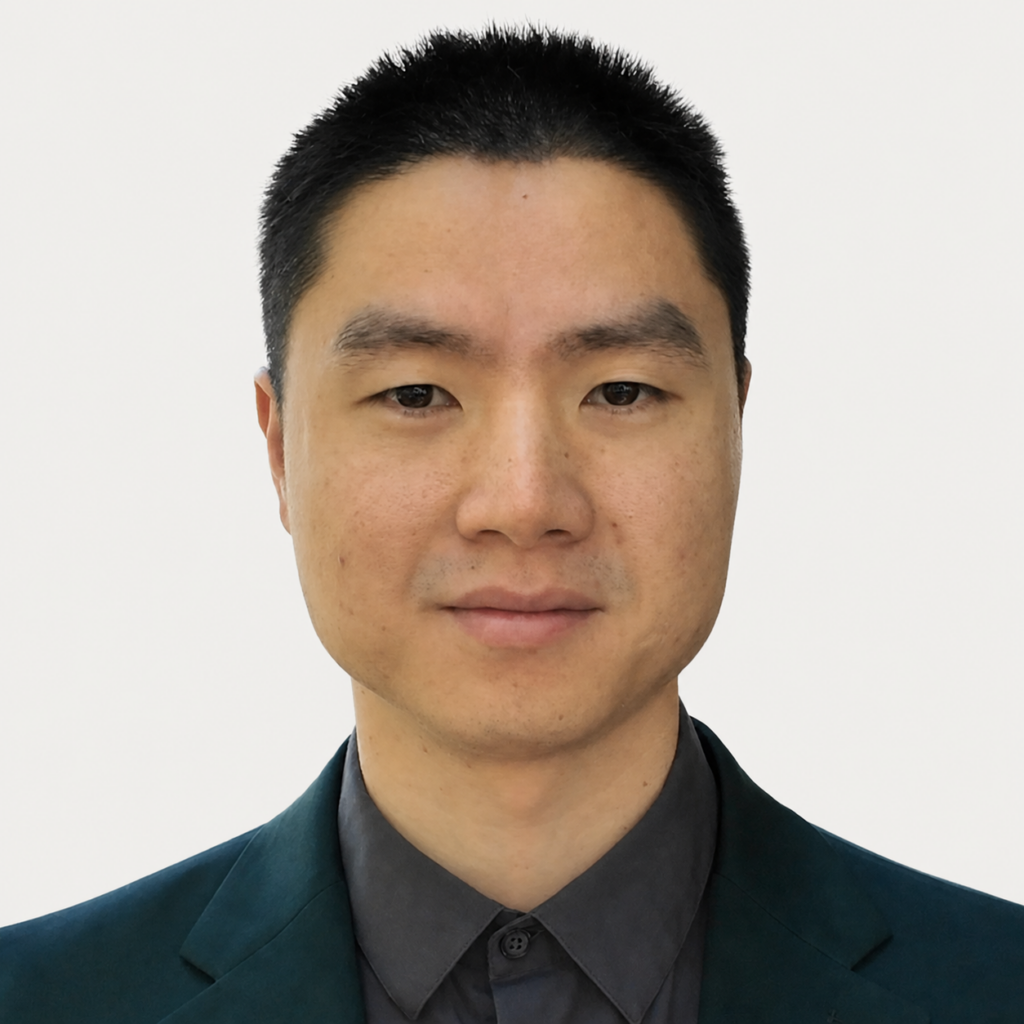
Wenxin Zhang, Ph.D.
INSTITUTE:
Harvard University
MENTOR:
Yuan Ma, MBBS, Ph.D.
Identifying 24-Hour Blood Pressure Signatures for Early Prevention of Brain Vascular Injury and Cognitive Impairment in Aging
Dr. Zhang’s work will answer whether home-based 24-hour blood pressure monitoring can be used to guide precision blood pressure management for early prevention of dementia. Hypertension (high blood pressure) is the most common chronic condition in older adults, and home-based blood pressure monitoring offers a promising way to personalize treatment and reduce dementia risk. Dr. Zhang will combine large datasets of 24-hour blood pressure monitoring, sensitive brain MRI scans, and comprehensive cognitive tests from community-dwelling older adults and use advanced research strategies to identify blood pressure signatures could be targeted to prevent brain injury and dementia at an early stage.
2025 Charles A. King Trust Research Fellows
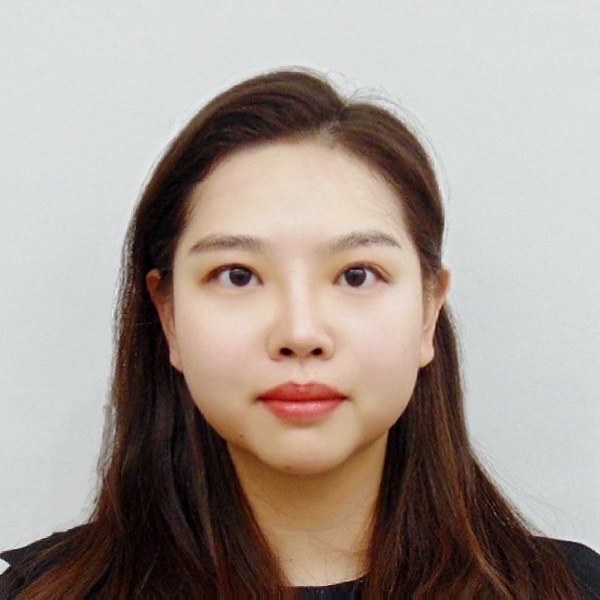
Rina Bao, Ph.D.
Boston Children’s Hospital
Mentor: Patricia Ellen Grant, M.D.
Development of neuroimaging biomarkers for 2-year neurocognitive outcomes after neonatal brain injury
Dr. Bao’s research focuses on identifying which infants are at highest risk for Hypoxic-Ischemic Encephalopathy, a type of brain injury that can cause long-term brain development issues and occurs in about 0.5% of newborns worldwide. Creating more accurate and reliable biomarkers to identify babies at risk for poor outcomes before they reach two years of age could help doctors decide the best course of treatment much earlier and more effectively. Dr. Bao aims to use artificial intelligence to extract injury patterns from brain MRI scans and develop a model to predict 2-year neurocognitive outcomes.
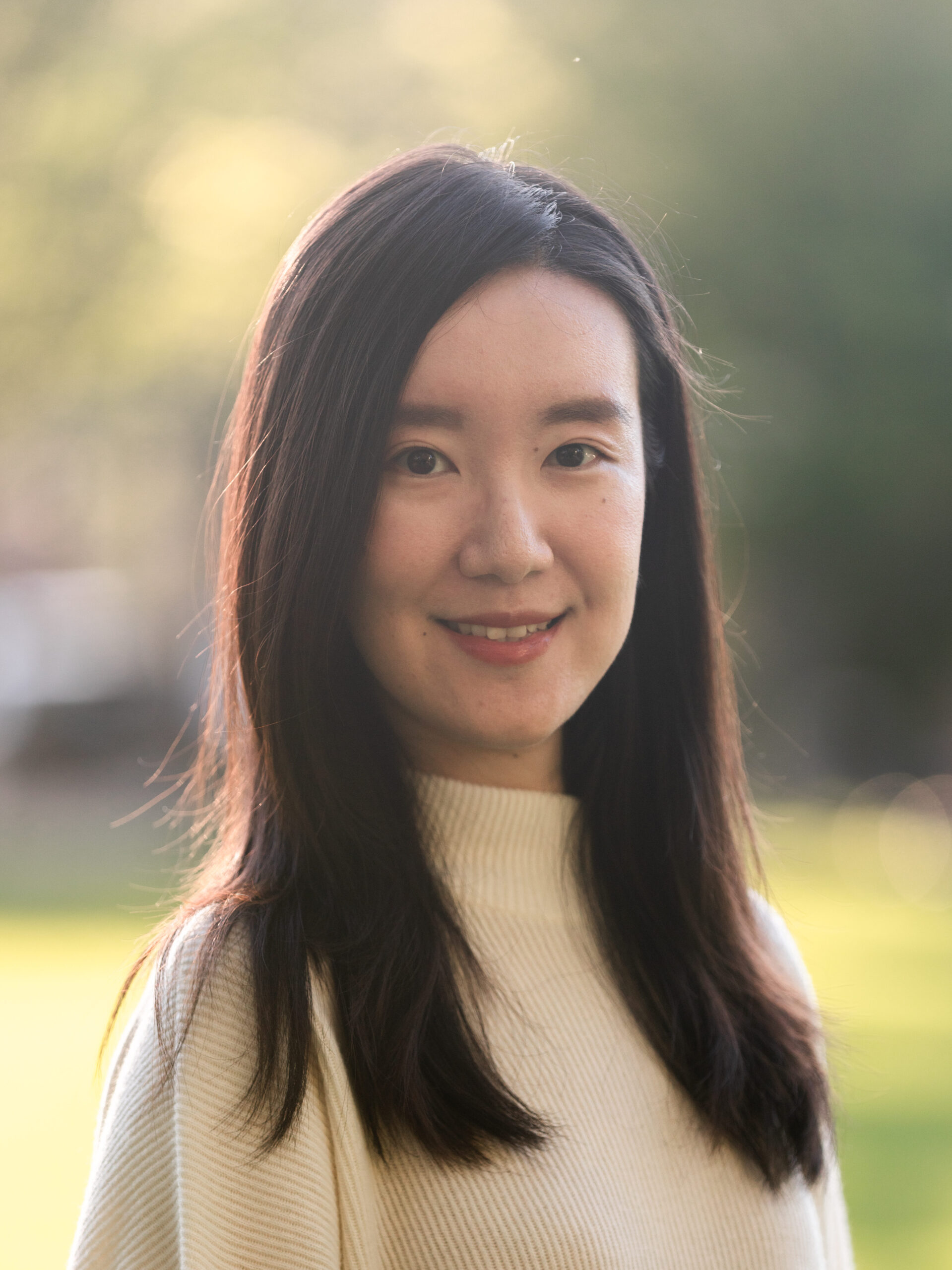
Lujing Chen, Ph.D.
Harvard University
Mentor: Chenghua Gu, Ph.D.
Neural and Vascular Interactions in the Visual System
Dr. Chen’s work aims to uncover how blood vessels in the brain and eyes detect and respond to surrounding neural activity. Disruptions in this process can contribute to vision loss and other neurodegenerative diseases such as glaucoma, diabetic retinopathy, age-related macular degeneration, and Alzheimer’s disease. Dr. Chen aims to identify key proteins in blood vessel cells and analyze how they respond to neural activity in order to reveal mechanisms behind normal and impaired blood flow regulation in the brain and eyes.
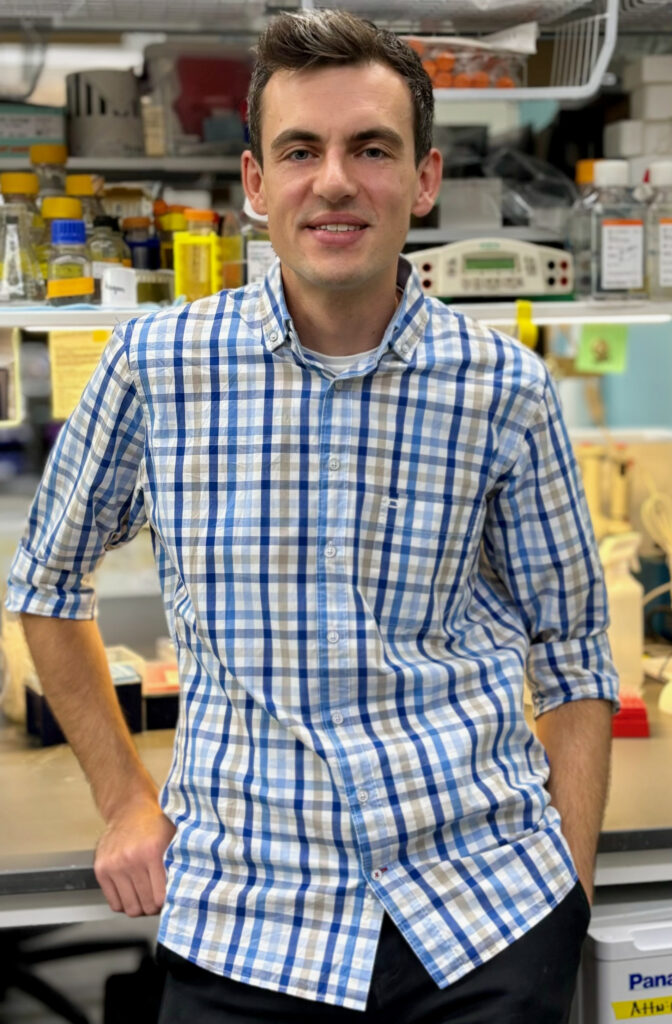
Daniel Fisch, Ph.D.
Boston Children’s Hospital
Mentor: Jonathan Kagan, Ph.D.
Building Myddosomes – Towards a Blueprint for Assembling Innate Immune Signaling Organelles
Dr. Fisch’s work aims to investigate how myddosomes, protein complexes that process signals to trigger immune responses, are assembled and mature to guide and regulate the activation of innate immune cells and thereby shape immune responses. Understanding myddosome dynamics and activities can reveal novel mechanisms of immune regulation, leading to new therapeutic strategies and interventions to modulate inflammation and immunity. Dr. Fisch will use cutting edge technology and advanced imaging techniques to identify and characterize the factors that regulate myddosome formation and function.
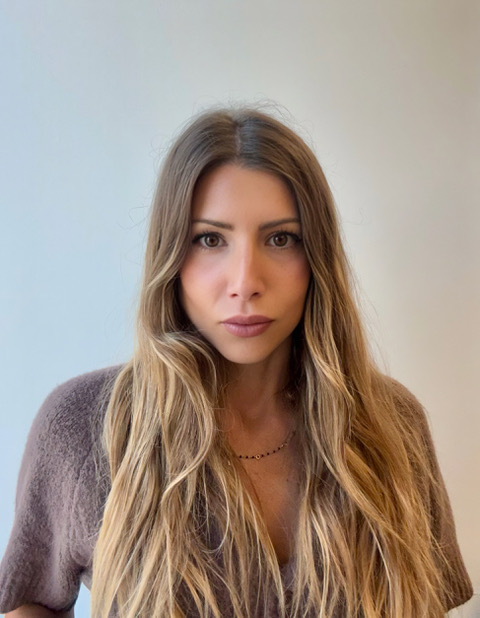
Ilaria Gritti, Ph.D.
Massachusetts General Hospital
Mentor: Nabeel Bardeesy, Ph.D.
Investigation into the Regulation of Mitochondrial Dynamics, Intra-Organelle Communication, and Metabolic Reprogramming by the PKA-Fusion Oncoprotein
Dr. Gritti’s work aims to understand how the DNAJB1-PRKACA fusion mutation, which is found in almost all fibrolamellar carcinoma (FLC) tumors, drives cancer cell growth. This is important because FLC is a rare and aggressive liver cancer that mainly affects adolescents and young adults, with very few treatment options available. Dr. Gritti will use advanced laboratory models, imaging techniques, and metabolic studies to uncover how these changes help cancer cells survive and uncover new treatment approaches.
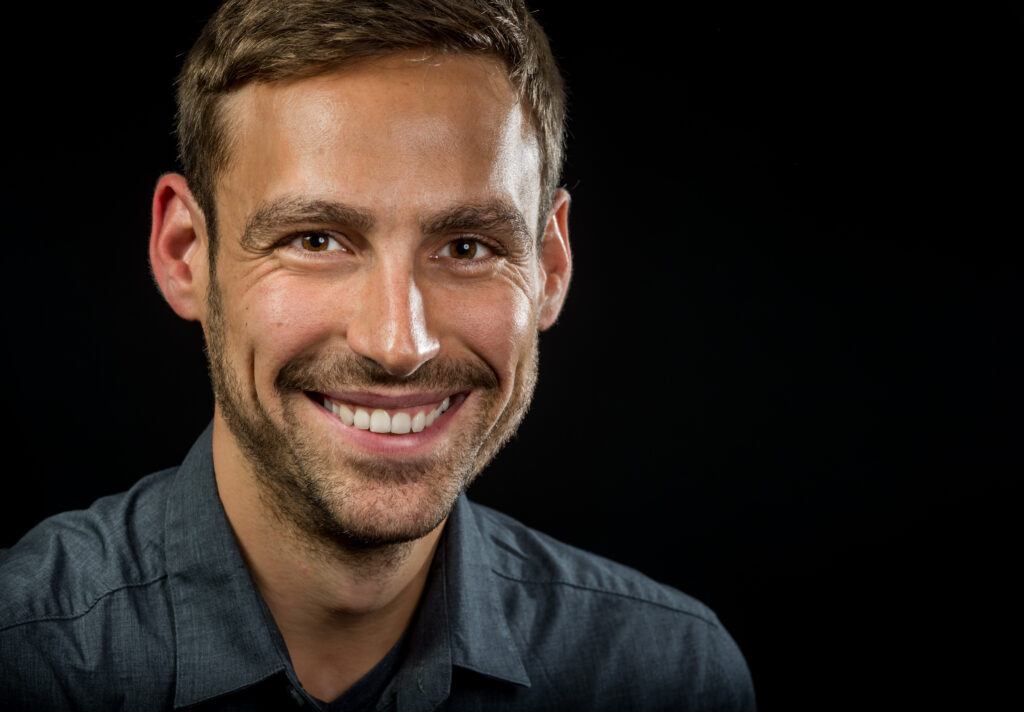
Michael Killian, Ph.D.
Brigham and Women’s Hospital
Mentor: Francisco J. Quintana, Ph.D.
Harnessing meningeal immune cell hubs for bioengineering to promote anti-brain tumor immunity
Dr. Killian’s research focuses on understanding mechanisms that contribute to the immune cell response against glioblastoma (GBM), an aggressive primary tumor of the central nervous system. Improved understanding of the location of anti-tumor immune activation can potentially guide new avenues for improved immunotherapy strategies against malignant brain tumors like GBM which lack effective therapeutic options. Dr. Killian will use novel tools like RABID-Seq to identify cell to cell interactions in the GBM-associated dura and utilize genetic engineering and mRNA-based approaches to induce potent and persistent anti-tumor immunity.
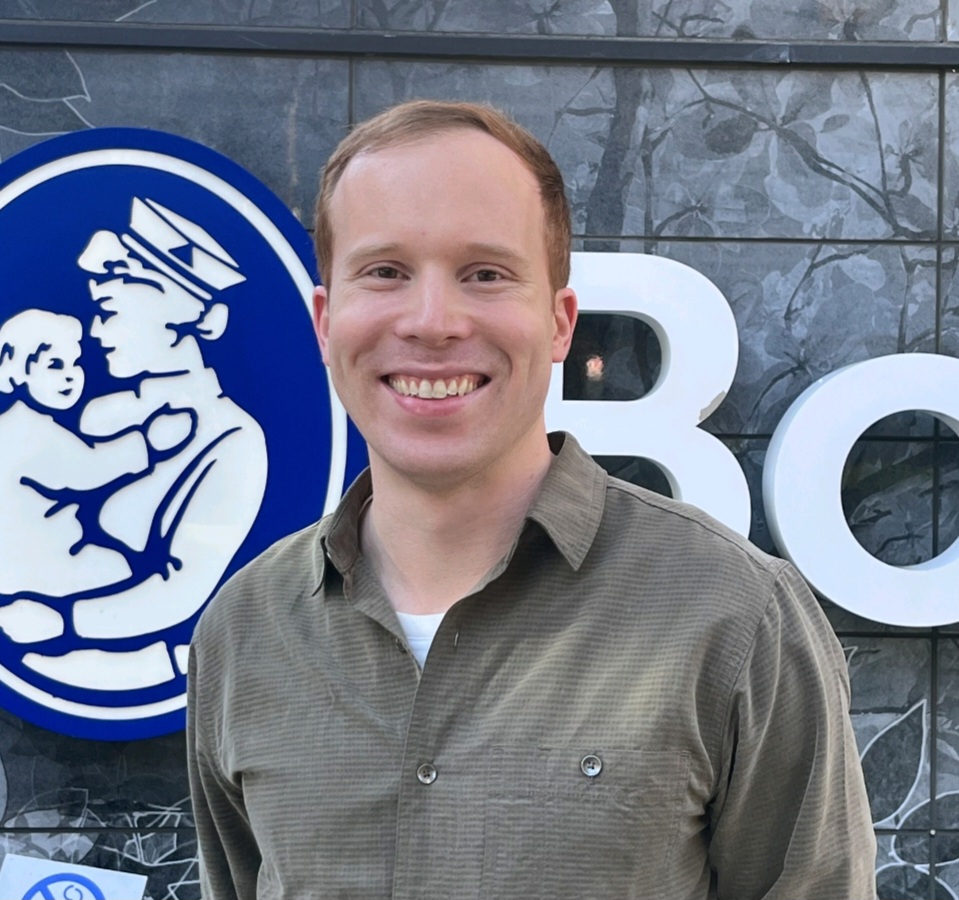
Nils Korte, Ph.D.
Boston Children’s Hospital
Mentor: Beth Stevens, Ph.D.
Regulation of Dopamine by Cells of the Blood-Brain Barrier
Dr. Korte’s work aims to understand how cells at the interface between the blood and the brain, the blood-brain barrier (BBB), regulate the amount of dopamine inside the brain. Imbalances in dopamine, a chemical messenger that regulates your ability to move, focus, and feel pleasure, can have wide-ranging negative effects on the body and mind. Improved understanding of mechanisms controlling dopamine levels could help identify better therapeutic strategies to restore dopamine imbalances. Dr. Korte will use a multidisciplinary approach to manipulate and measure BBB-mediated dopamine metabolism and transport, and assess impacts on behavior.
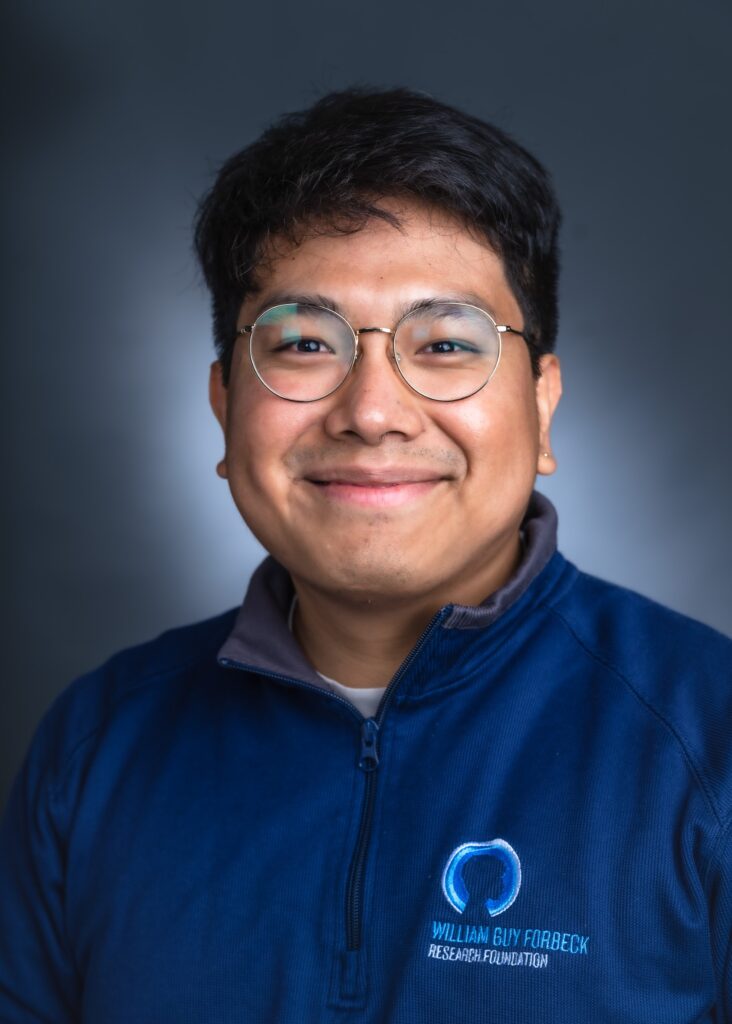
Carlos Mendez-Dorantes, Ph.D.
Dana-Farber Cancer Institute
Mentor: Kathleen H. Burns, M.D., Ph.D.
Investigating the Causes and Consequences of LINE-1 Retrotransposon Activation in Cancers
Dr. Mendez-Dorantes’ research aims to uncover how retrotransposons, which are mobile DNA elements that can alter the genome, regulate cellular functions and contribute to human diseases such as cancer. Improved understanding of retrotransposon biology, which has been understudied, has the potential to transform the understanding of cancer initiation, development, and treatment. Dr. Mendez-Dorantes will characterize the mechanisms that maintain L1, the only active protein coding retrotransposon in humans, silenced in cells, and examine the consequences of L1 activation on genome integrity.
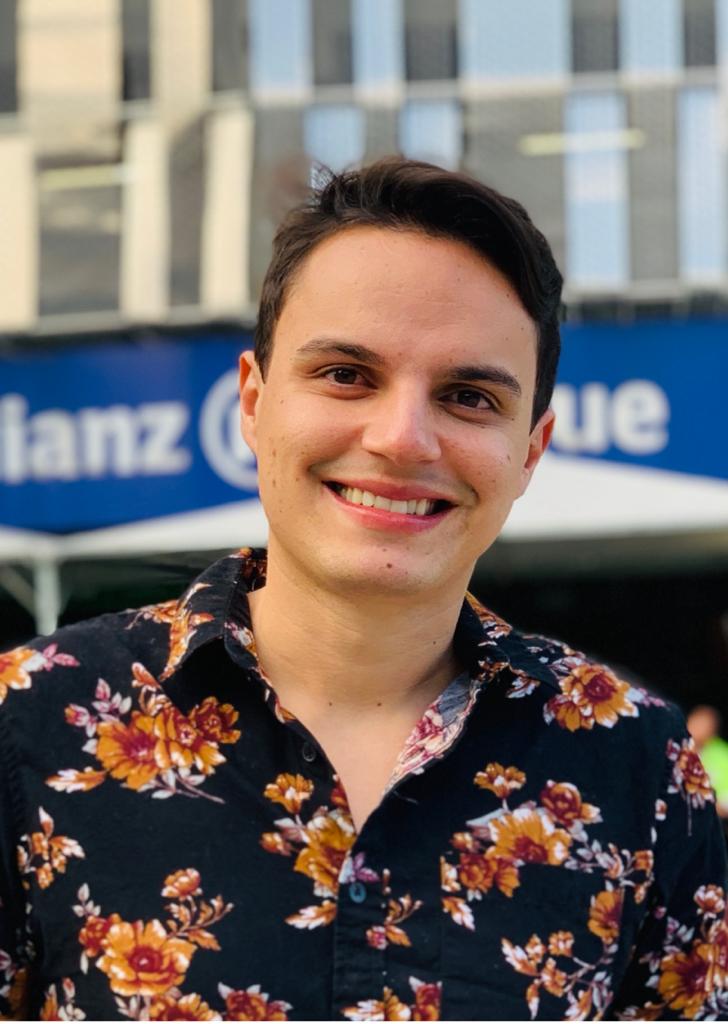
Sidney Pereira, D.V.M., Ph.D.
Brigham and Women’s Hospital
Mentor: Ursula Kaiser, M.D.
Deciphering the Functional Role of OSR1 in Uterine Receptivity and Embryo Implantation
Dr. Pereira’s research aims to understand the role of OSR1, a factor crucial for female reproductive tract development, in fertility and two prevalent but poorly understood conditions related to atypical embryo implantation: recurrent implantation failure (RIF) and ectopic pregnancy (EP). Improved understanding of the mechanisms of endometrial receptivity and embryo implantation may offer new therapeutic strategies to improve fertility outcomes for patients with RIF and EP. To do this, Dr. Pereira will characterize a uterine-specific conditional Osr1-knockout mouse model and define OSR1 expression in the endometrial lining and fallopian tubes of patients with RIF and tubal EP.
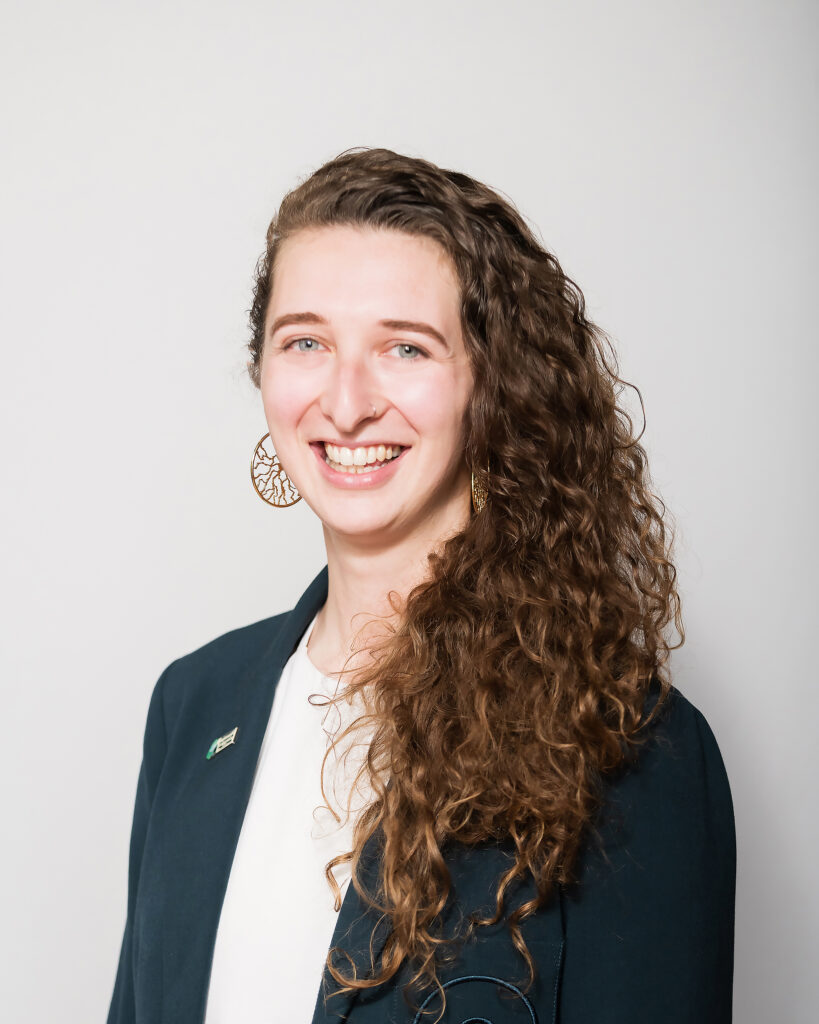
Amy Shepherd, Ph.D.
Boston Children’s Hospital
Mentor: Meenakshi Rao, M.D., Ph.D.
Enteric Glia Regulate Appetite and Recovery From Inflammation
Dr. Shepherd’s research aims to understand how enteric glia, the most numerous cell type of the independent nervous system in the gastrointestinal tract, modulates intestinal epithelial cell function. Appetite regulation and mucosal healing are two critically important biological functions that are disrupted in a wide range of human disease, and improved understanding of the role of enteric glia in these processes could uncover novel therapeutic targets. Dr. Shepherd will assess whether restoration of one family of enteric glia derived ligands can rescue cell function, promote appetite and wound healing in a mouse model with depleted enteric glia.
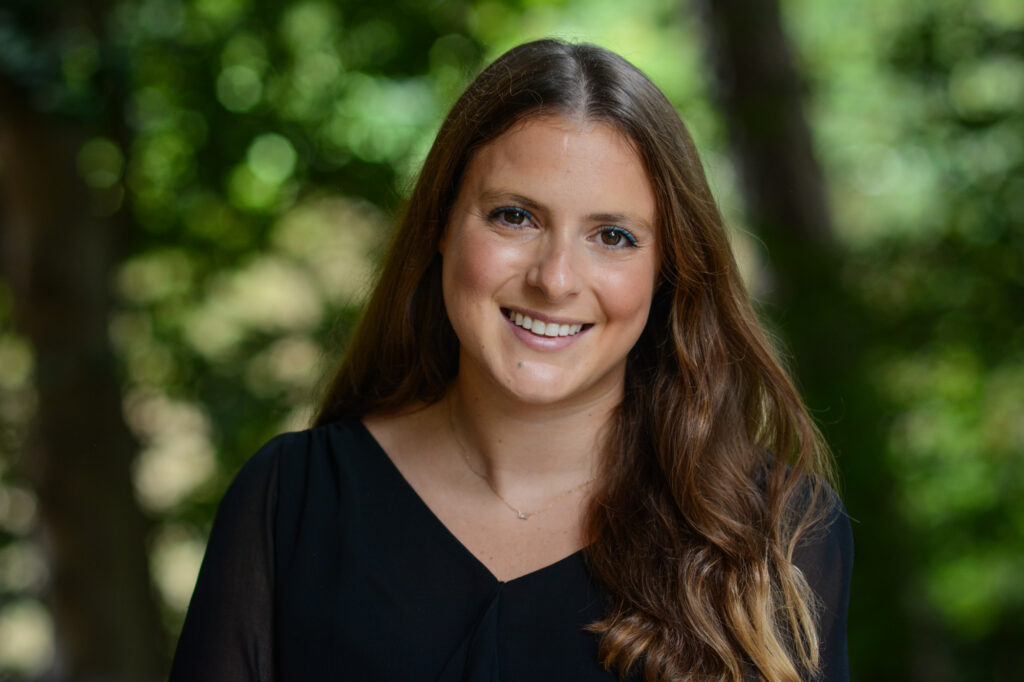
Alexandria Silverman, Ph.D.
McLean Hospital
Mentor: Courtney Beard, Ph.D.
Designing Implementation Strategies for Implementing Digital Mental Health Interventions Across Treatment Waitlists
Dr. Silverman’s work seeks to understand how to implement digital mental health interventions (e.g., smartphone applications and internet-based tools) as support to people while they wait for traditional, face-to-face treatment. This work will help improve the delivery and impact of these treatments and ultimately reduce harm for those who need immediate help. Dr. Silverman will work with clinic providers and patients to better understand implementation challenges, and then design and pilot test strategies to successfully integrating digital mental health interventions for depression and anxiety to support waitlisted patients.
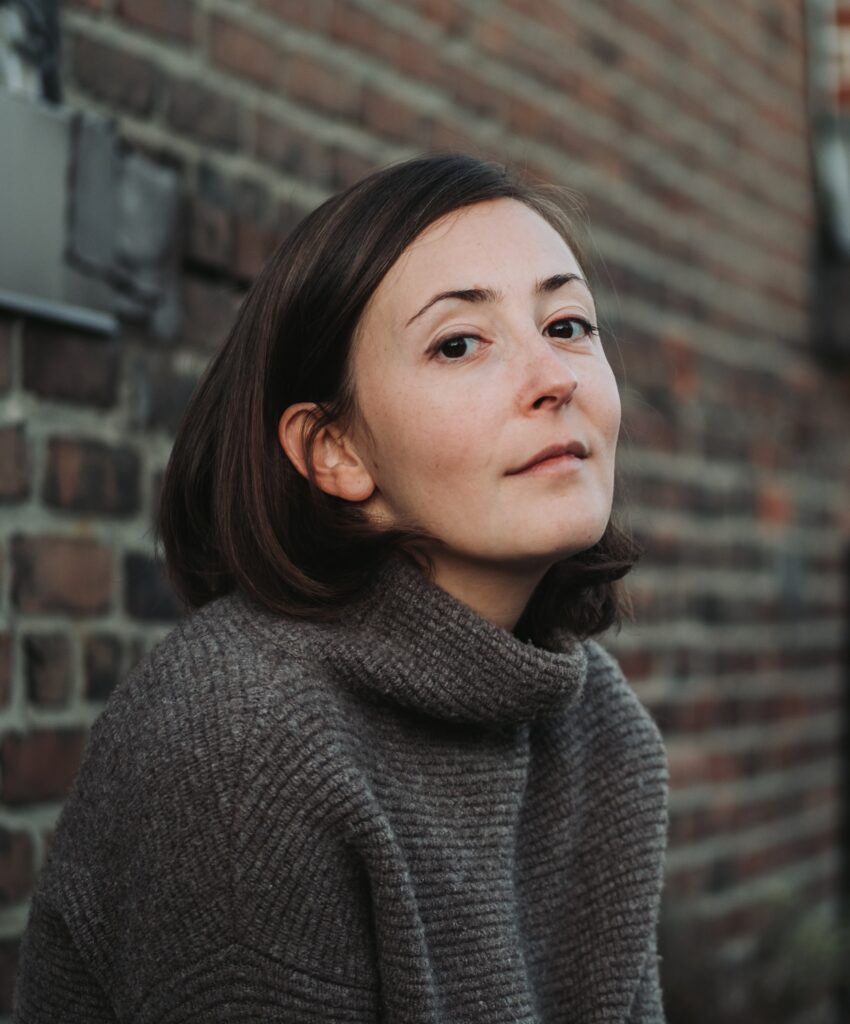
Lisa Traunmueller, Ph.D.
Harvard University
Mentor: Michael E. Greenberg, Ph.D.
Experience-dependent neuropeptide modulation of synaptic plasticity
Dr. Traunmueller’s research focuses on the neuropeptide precursor gene Scg2, which plays a role in regulating neuronal circuit function in the mouse hippocampus, a brain region involved in learning and memory. Enhanced understanding of learning and memory could improve treatments for neurological disorders such as autism or schizophrenia in which these cognitive functions are impaired. Dr. Traunmueller will investigate how Scg2-derived neuropeptides contribute to brain function and ultimately improve understanding of the molecular mechanisms required for the intricate balance of neuronal circuit adaptation upon learning.
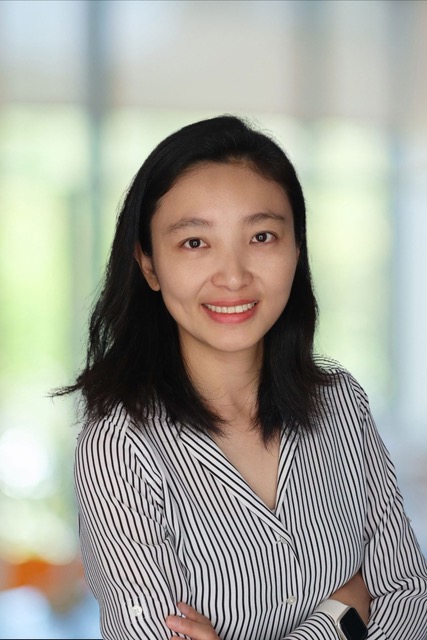
Yan Yan, Ph.D.
Harvard University
Mentor: Flamininia Catteruccia, Ph.D.
Unraveling the mechanisms driving transmission of malaria sporozoites from mosquitoes to humans
Dr. Yan’s research aims to answer the question of how malaria parasites acquire the ability to transmit from mosquitoes to humans. This work is crucial for developing new strategies to block transmission of malaria, a life-threatening disease that affects millions of people every year, and potentially prevent parasites from reaching humans. Using advanced genetic, transcriptomic, and microscopy imaging methods, Dr. Yan will identify key regulators and proteins that enable malaria parasites to develop the machinery needed for transmission to humans.
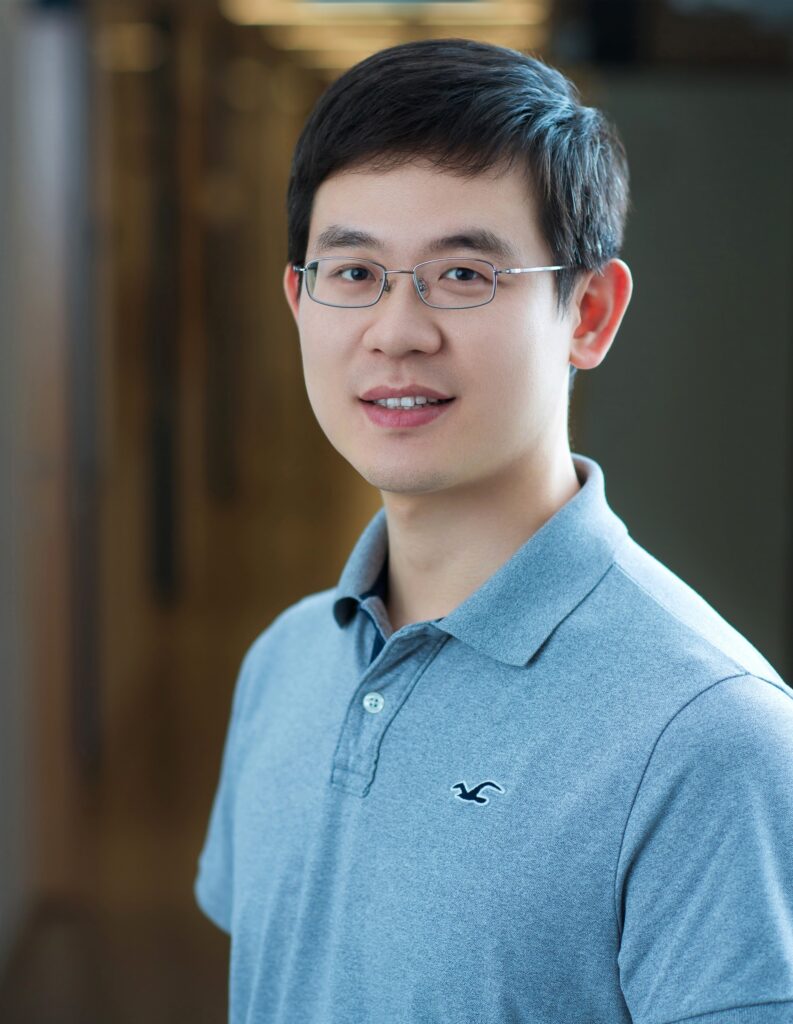
Jiawei Zhao, Ph.D.
Harvard University
Mentor: Josefina del Marmol, Ph.D.
Elucidating the Molecular Basis of Human Host-seeking by Mosquito Vectors of Disease
Dr. Zhao’s research aims to understand how mosquito smell receptors (olfactory receptors) detect and differentiate odors, how these receptors assemble naturally, and how they move to send signals in mosquito cells. Understanding how mosquitos find humans can enable better and safer design of mosquito repellents and help prevent deadly diseases like malaria and dengue. Using advanced imaging and structural biology techniques, Dr. Zhao will see the detailed structure of olfactory receptors, and observe how they assemble and move during odor detection.
2024 Charles A. King Trust Research Fellows
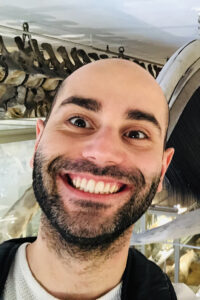
Mapping the Fate of Fibroblasts Across the Inflamed and Healing Gut
Institution: Boston Children’s Hospital
Mentor : Jeffrey Moffitt, Ph.D.
Dr. Cadinu’s research focuses on understanding how fibroblasts, traditionally seen as cells that maintain the structural integrity of organs, dynamically change their configurations and activate cellular programs that drive tissue repair in inflammatory gut disorders. Gaining insights into the activation and reprogramming of fibroblasts will lay the groundwork for discovering novel drugs aimed at modulating their activity, which could potentially enhance tissue repair across a broad spectrum of chronic inflammatory diseases, ranging from Crohn’s disease to rheumatoid arthritis. Using an innovative genomic-based microscopy technique applied to mouse models of colitis, Dr. Cadinu will map fibroblast states and the programs they activate or suppress, as well as the cells they closely interact with, across various stages of disease.
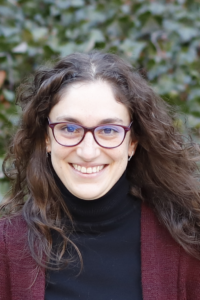
Molecular Mechanisms Governing Myelin Development in the Mammalian Neocortex
Institution: Harvard University
Mentor: Paola Arlotta, PhD
Dr. Dominguez Iturza’s work will uncover how neurons get myelinated in the mammalian cerebral cortex. Cells of the nervous system are myelinated, or wrapped in a fatty substance so they are insulated and can transmit information faster and more efficiently. Understanding mechanisms of myelination is important because myelin defects are a hallmark of many neurological diseases; however, understanding of the mechanisms driving myelination remains very limited. Dr. Dominguez Iturza will work to improve this knowledge gap by identifying signals that neurons utilize to communicate with oligodendrocytes, the brain cells responsible for myelination, to dictate myelination diversity in the cerebral cortex.
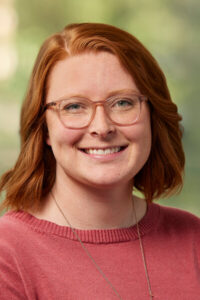
Co-Design and Pilot Testing of Community Health Worker Training and Support to Improve Access to High Quality Smoking Cessation Treatment
Institution: Boston University
Mentor: Renda Soylemez Wiener, MD, MPH
Dr. Kearney’s work aims to understand how we can reduce disparities and improve outcomes in smoking-related lung disease. The low rates of smoking cessation, especially in marginalized communities, highlight the pressing need to bolster healthcare capacity and tailor interventions, recognizing smoking as a primary contributor to preventable morbidity and mortality. Dr. Kearney will co-design a program to train and support community health workers to integrate smoking cessation into their current activities and to establish the feasibility and acceptability of the program through pilot testing.

Dissecting the Cellular Hierarchies within Embryonal Tumors with Multilayered Rosettes
Institution: Dana-Farber Cancer Institute
Mentor: Volker Hovestadt, PhD
Dr. Lambo’s work aims to understand the different cell types are that are found within a rare pediatric brain tumor called Embryonal Tumors with Multilayered Rosettes (ETMRs), and understand which cells are important for a tumor to grow back after treatment. This matters because treatment of ETMR patients currently often fails, likely because there are cells that can grow back after treatment and form a new tumor. Dr. Lambo’s work will identify the different cells within an ETMR tumor and the characteristics of those cells and will identify which cells within the tumor can re-form a new tumor in order to find new ways to eradicate these cells.
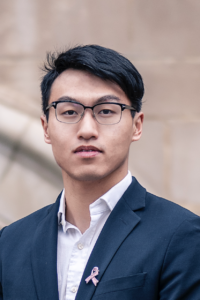
The Role of Histone Cleavage in Breast Cancer
Institution: Dana-Farber Cancer Institute
Mentor: Kornelia Polyak, MD, PhD
Dr. Li’s proposed research will investigate how alterations in histones, proteins that package DNA, and enzymes that modify histones like KDM4C, contribute to triple-negative breast cancer (TNBC) development. This is important because TNBC is a subtype of breast cancer that is extremely difficult to treat due to its variation among patients. Hence, new discovery on how it occurs will help to design more efficient and tailored therapy to treat these patients. Dr. Li’s study focuses on understanding why histones can be cut during tumor development and how much this process contributes to TNBC, by using both cell models and patient samples.
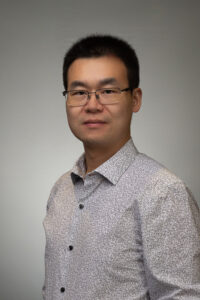
Characterization of the Pathogenic Mechanisms of Cancer Cachexia using Drosophila as a Model
Institution: Harvard Medical School
Mentor: Norbert Perrimon, PhD
Dr. Liu’s research aims to deepen understanding of the causes behind cancer cachexia, a condition that causes significant weight and muscle loss. This is crucial because cachexia is a significant factor contributing to mortality among cancer patients. To address this question, Dr. Liu’s research employs a Drosophila (fruit fly) model of cancer cachexia to unravel the mechanisms through which tumors induce dysfunction in host organs.
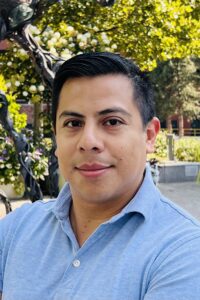
Structural Mechanism of the Rolling Adhesion Activity of Integrins α4β1 and α4β7
Institution: Boston Children’s Hospital
Mentor : Timothy Alan Springer, PhD
Dr. Lopez-Sanchez’s work aims to answer the question of how integrins, a family of proteins that exist on the cell surface to transmit signals internally, change shape and how these changes relate to their function in controlling the migration of immune cells. This matters because understanding the shape changes that the α4β1 and α4β7 integrins undergo during cell migration will enable the development of better therapeutics for the treatment of inflammatory diseases. This project will address this question by integrating structural and functional studies, which will involve the utilization of powerful imaging techniques such as Cryogenic Electron Microscopy (Cryo-EM).
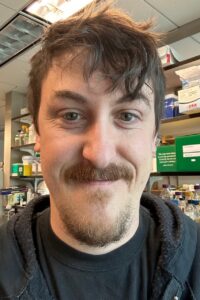
Mechanism and Viral Subversion of a Novel Antiviral Enzyme
Institution: Massachusetts Institute of Technology
Mentor: Michael Laub, PhD
Dr. Vassallo’s research aims to uncover what mechanisms bacteria use to fight viruses and how viruses overcome this immunity. This is important because knowledge concerning the interplay between bacterial viruses and their hosts can be used in the development of therapeutic treatments. This project investigates the mechanism of a novel enzyme used by bacteria to fight viruses and a viral counter-defense protein, the study of which will uncover fundamental insights into this molecular arms race between bacteria and their viruses.
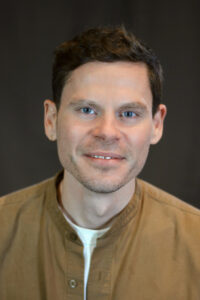
Deep Brain Stimulation to Treat Disorders of Consciousness
Institution: Brigham and Women’s Hospital
Mentor: John Rolston, MD, PhD
Dr. Warren’s will work to enhance the efficacy of a stimulating device that is surgically implanted into the brain to help patients “wake up” from coma-like states called disorders of consciousness (DoC), which result from injuries to the brain. This matters because DoC represent a significant, unresolved challenge in medicine, profoundly affecting individuals, families, and healthcare systems, with no effective treatments currently available. Using advanced imaging and brain network analyses, Dr. Warren will pinpoint the most effective spot in the brain to place the stimulation device, identify which brain connections need to be activated for the treatment to work, and determine which patients are most likely to benefit based on their brain scans before surgery.
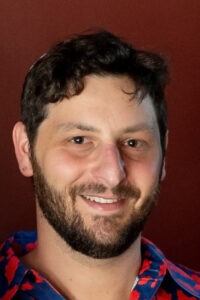
Influence of Cortical Dopamine on the Structure of Natural Behavior
Institution: Harvard Medical School
Mentor: Sandeep Robert Datta, Ph.D.
Dr. Weinreb aims to understand how dopamine signaling in prefrontal cortex enables behavior under natural conditions. This matters because alterations in cortical dopamine signaling underlie a vast range of psychiatric diseases, including schizophrenia and depression, and understanding how this system operates under natural conditions is a fundamental step toward rational treatment and improvement of therapeutics. Using a novel approach of observing mice freely exploring their surroundings, and pairing detailed behavior measurements with recording and manipulation of dopamine in prefrontal cortex, Dr. Weinreb’s work will reveal how dopamine release impacts ongoing behavior.