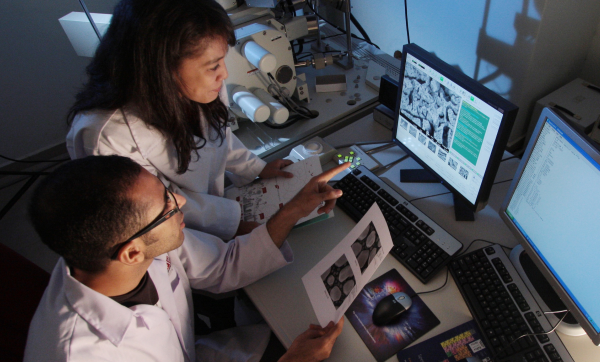
Biomedical researchers need strong scientific communication skills to combat rising skepticism and misinformation. Robust communication skills also help secure funding, support recruitment of research staff and study participants, and increase the impact of research findings on human health. Yet few researchers are afforded the opportunity to formally build these skills.
In 2022, the Richard and Susan Smith Family Foundation in partnership with HRiA launched a foundational communications training initiative. Researchers funded through the foundation’s Excellence in Biomedical Research and Odyssey Award Programs receive scientific communications training and create a compelling, professional video describing their research program. The videos feature each awardee using their elevated communication skills to shine further light on the significance of their work.
As of February 24, 2026, this page has been updated to feature a third cohort of the Smith Family Foundation’s early-career biomedical grant recipients. These videos showcase the talent and groundbreaking research undertaken by these exceptional researchers.
About the Programs
The mission of the Smith Family Awards Program for Excellence in Biomedical Research is to launch the careers of newly independent biomedical researchers with the goal of achieving medical breakthroughs. Excellence awardees explore fundamental questions about biology using approaches spanning disciplines such as biology, physics, chemistry, computer science, and engineering. (Meet the newest Excellence awardees.)
The Smith Family Foundation Odyssey Award was created in 2017 to fuel creativity and innovation in junior investigators in early-stage research. The Award supports the pursuit of high-impact ideas to generate breakthroughs and drive new directions in biomedical research. Odyssey awards fund high-risk, high-reward pilot projects solicited from junior faculty in the Greater Boston area.
Featured Awardees
Gene Splicing Breakthroughs for Cancer Prevention
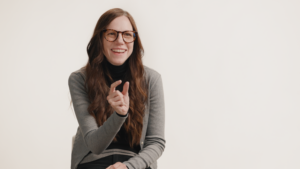
Ana Fiszbein, Ph.D., 2022 Excellence Awardee
Assistant Professor of Biology, Boston University
Dr. Ana Fiszbein studies gene regulation, focusing on a process called RNA splicing, which works like editing a film to ensure cells keep the right RNA “scenes,” which work together to make proteins. Her team discovered that splicing can change where a gene starts, opening the door to new ways to switch genes on. She hopes this discovery will help prevent cancer in people born with only one working copy of certain genes.
Discover more about Dr. Fiszbein’s work.
A New Path Toward Treating Intellectual Disability
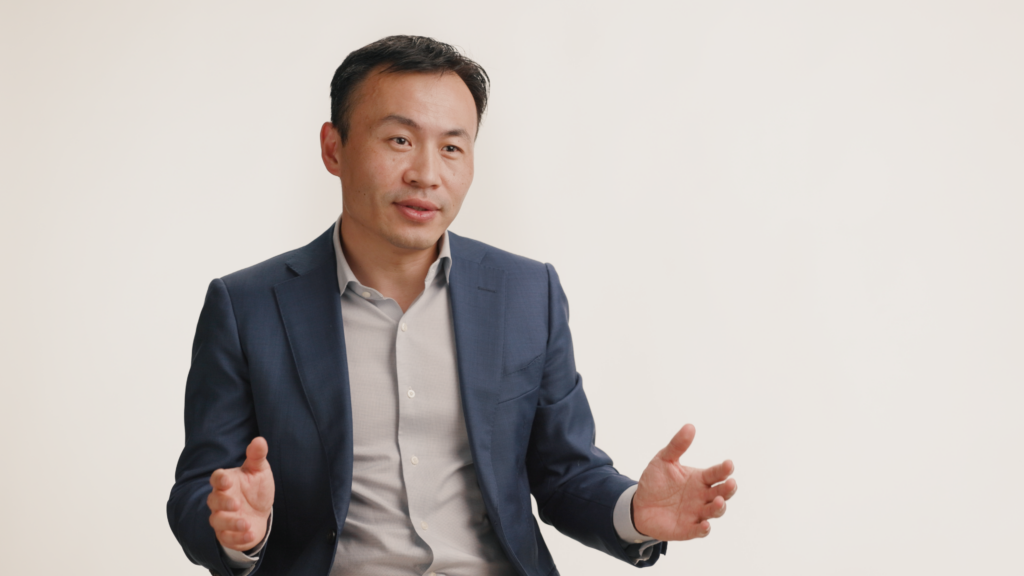
Dong Kong, Ph.D., 2022 Odyssey Awardee
Assistant Professor of Pediatrics, Boston Children’s Hospital
Dr. Dong Kong studies how changes in lipid metabolism in the brain contribute to intellectual disabilities, which affect up to 3% of the global population and currently lack targeted treatments. His lab uncovered a molecular pathway involving the enzyme ACSL4 that helps shape how neurons develop and function. This insight could inform therapies aimed at reversing symptoms in a subset of intellectual disabilities.
Follow Dr. Kong’s path.
Revealing Life’s Molecular Machines, Atom by Atom
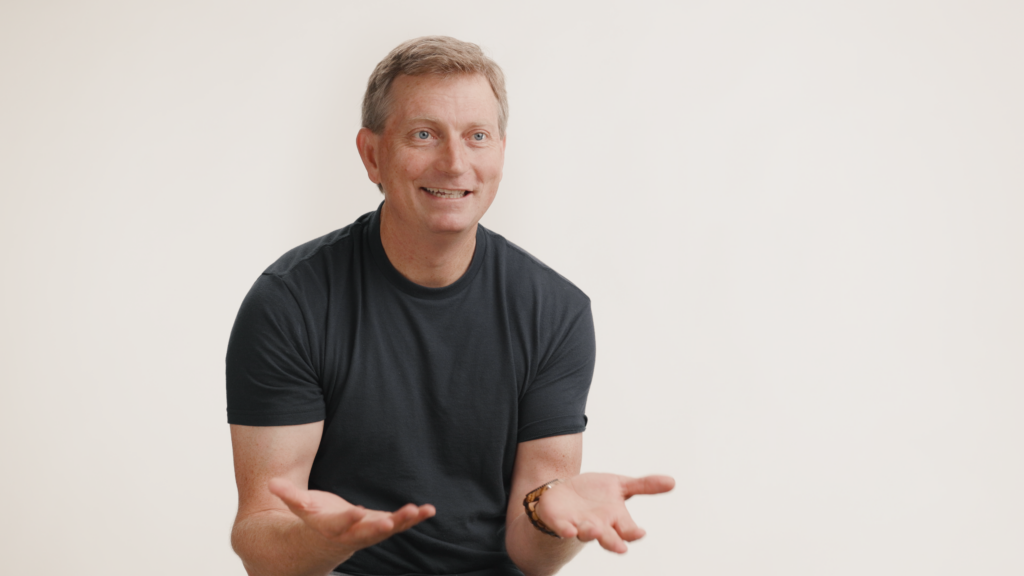
Joseph (Joey) Davis, Ph.D., 2023 Odyssey Awardee
Associate Professor of Biology, Massachusetts Institute of Technology
Dr. Joey Davis uses powerful imaging tools, like cryo-electron microscopy, to observe biological molecules down to the level of individual atoms. By visualizing how these tiny cellular machines work, his lab aims to understand how diseases disrupt them and how new medicines might fix those problems. He’s driven by a curiosity to uncover the fundamental rules that make life possible at the molecular scale.
Uncover Dr. Davis’ research.
Rethinking Antibiotic Resistance from the Ground Up
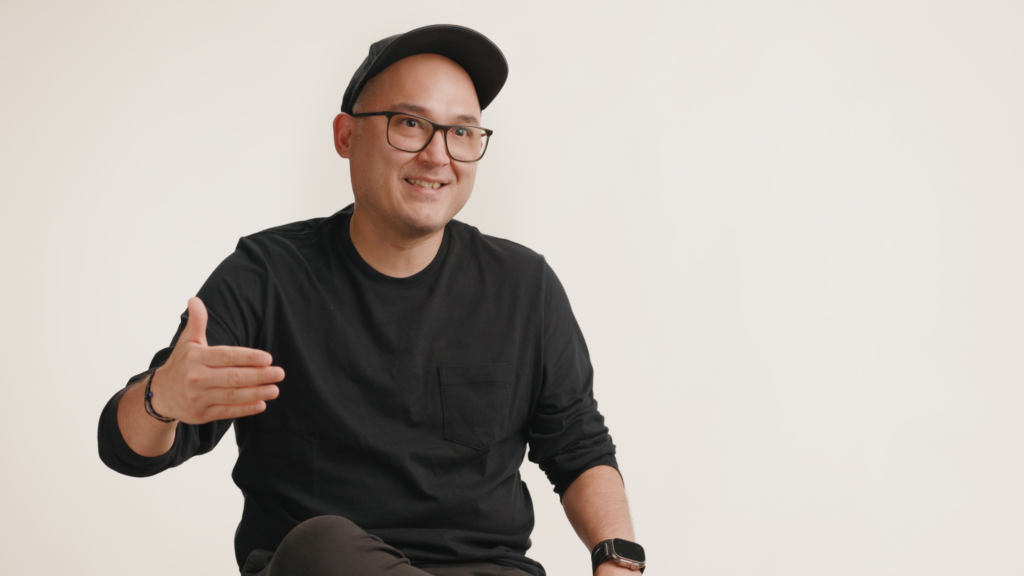
Josué Flores Kim, Ph.D., 2023 Excellence Awardee
Assistant Professor, University of Massachusetts Chan Medical School
Dr. Josue Flores Kim studies how bacteria grow, divide, and evolve resistance to antibiotics—drugs that have saved countless lives but are becoming less effective. Instead of making new versions of old antibiotics, his lab investigates the forces and mutations that let bacteria outsmart treatments. By understanding these processes, he hopes to stop resistance before it starts and help spark the next generation of lifesaving antibiotics.
Spark innovation with Dr. Flores Kim.
Solving the DNA Packing Puzzle Inside Our Cells
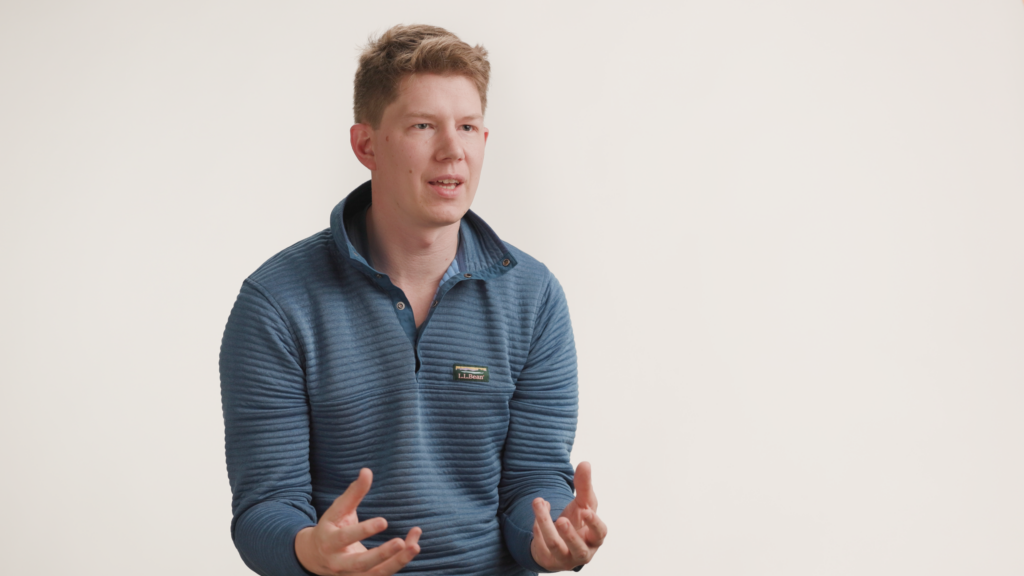
Lucas Farnung, Ph.D., 2022 Excellence Awardee
Assistant Professor of Cell Biology, Harvard Medical School
Dr. Lucas Farnung investigates how cells manage to pack six feet of DNA into the tiny space of the nucleus while still allowing molecular machines to access and read it. His lab studies what happens when this process goes wrong, leading to diseases like cancer or neurodevelopmental disorders. By visualizing these molecular machines in action, he aims to reveal new drug targets and deepen our understanding of how life is organized.
Solve the puzzle with Dr. Farnung.
Toward Next Generation Therapies for Osteoporosis
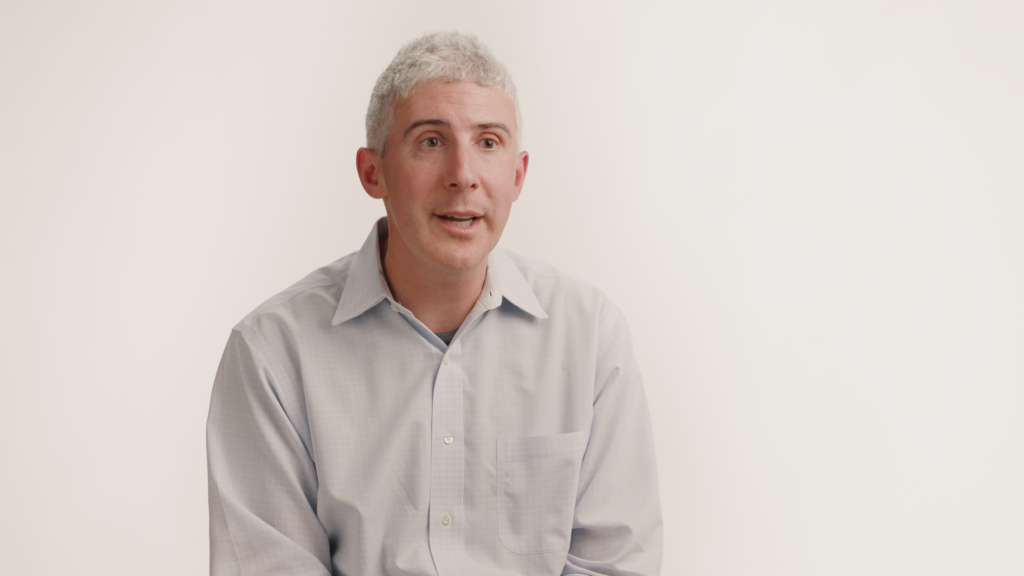
Marc Wein, M.D., Ph.D., 2022 Odyssey Awardee
Associate Professor of Medicine, Massachusetts General Hospital
Dr. Marc Wein studies the bone disease osteoporosis, inspired in part by his grandmother’s fractures and the devastating impact they had on her independence. His research focuses on osteocytes—cells that act as conductors in the constant remodeling of bone—and how aging disrupts their signals. By targeting these cells, he hopes to develop new therapies that strengthen bones and better protect older adults from life-altering fractures.
Pursue protection with Dr. Wein.
Why Mosquitoes Smell Us—and How We Can Stop Them
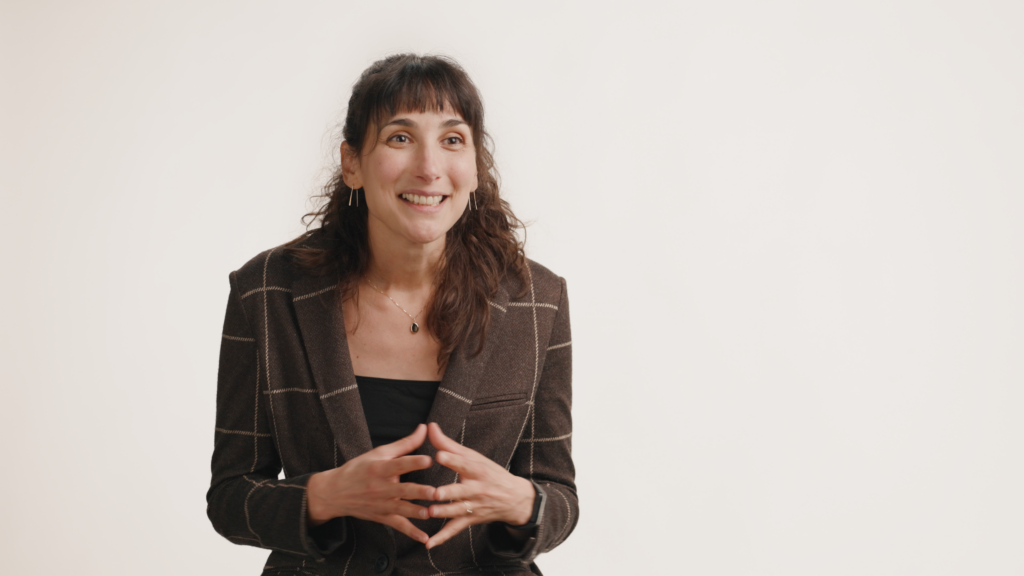
Meg Younger, Ph.D., 2023 Excellence Awardee
Assistant Professor of Biology , Boston University
Dr. Meg Younger explores how mosquitoes use their sense of smell to find people—a behavior that leads to over half a million deaths each year from mosquito-borne diseases. Her lab measures how attractive different people are to mosquitoes and identifies the sweat chemicals responsible. Understanding these cues may allow scientists to disrupt mosquito smell and reduce mosquito-borne disease transmission worldwide.
Disrupt disease with Dr. Younger.
From SARSCoV2 to Future Threats: Staying Ahead of Viruses
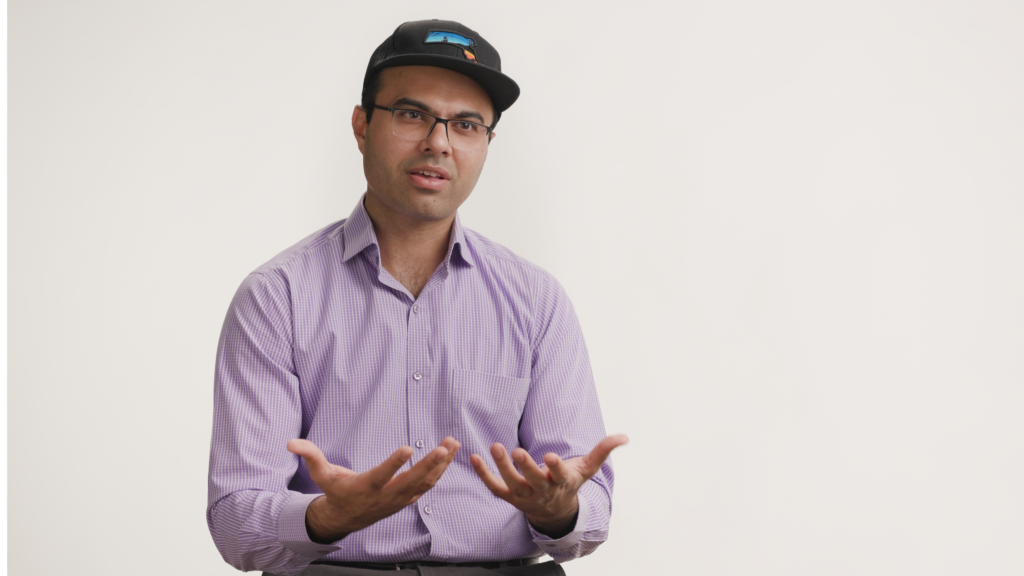
Mohsan Saeed, Ph.D., 2023 Odyssey Awardee
Associate Professor, Boston University
Dr. Mohsan Saeed studies the fundamental ways viruses invade and hijack the human body, work that guides the development of vaccines and antiviral drugs. His team made key discoveries during the COVID-19 pandemic, including identifying a viral protein essential for SARS-CoV-2 to cause disease. He believes preparing for future pandemics depends on asking bold questions and uncovering hidden vulnerabilities in viruses.
Forge ahead with Dr. Saeed.
Smarter Immunotherapy: Targeting Cancer Without Harming the Brain
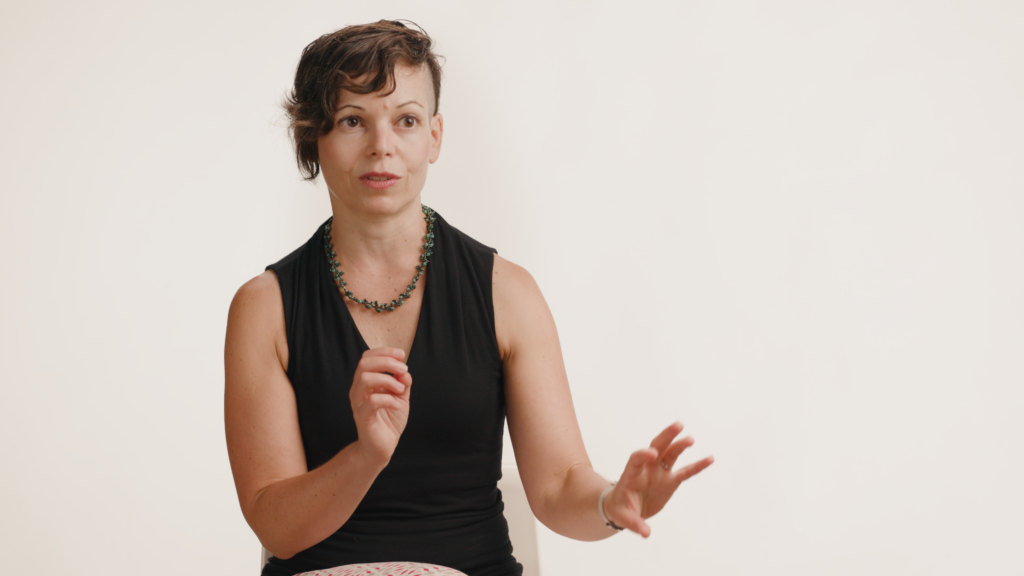
Naama Kanarek, Ph.D., 2022 Excellence Awardee
Assistant Professor of Pathology, Boston Children’s Hospital
Dr. Naama Kanarek investigates how cells adapt to stress—and how cancer cells use this adaptability to survive treatments like immunotherapy. In pediatric leukemia, current therapies can damage healthy brain cells, so her team is working to keep treatments effective while protecting children’s developing brains. By tracking how nutrients move through cells, they aim to weaken cancer cells and strengthen immune cells at the same time.
Get smarter with Dr. Kanarek.
Building the Molecular Tools Behind Tomorrow’s Medicines
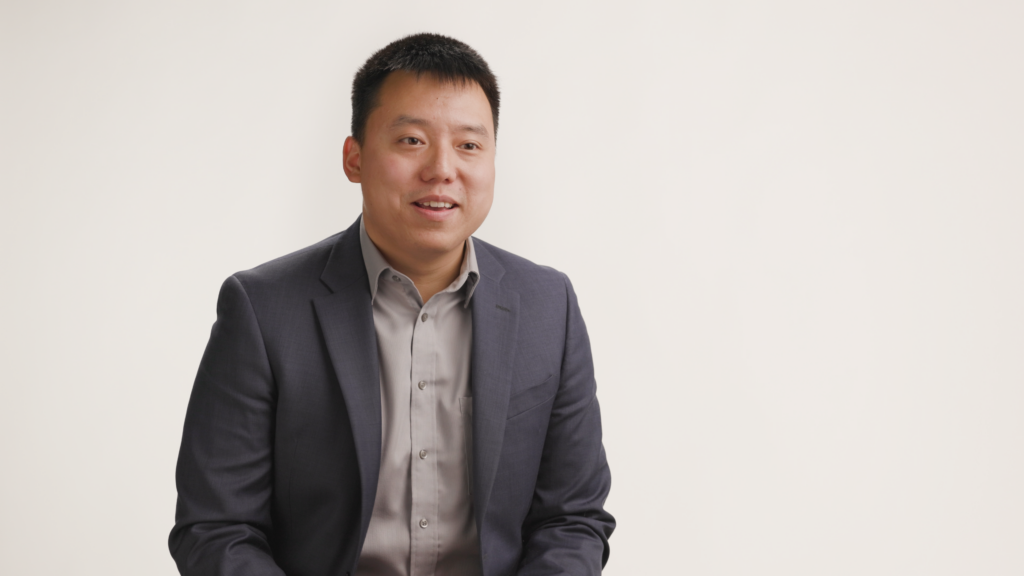
Richard Liu, Ph.D., 2023 Excellence Awardee
Assistant Professor of Chemistry and Chemical Biology, Harvard University
Dr. Richard Liu is a synthetic chemist who designs new chemical reactions—tools that help others create medicines and materials. He sees chemistry as a way to turn ideas into real molecules within days, enabling faster discovery of novel drugs hidden within the vast number of possible compounds. His collaborative group builds the reactions that could one day lead to the next life-saving medication.
Start building with Dr. Liu.
The Smith Family Awards Program for Excellence in Biomedical Research and the Smith Family Foundation Odyssey Awards continue to launch careers and fuel creativity and innovation in early-career researchers. We are proud to showcase this innovative capacity building project and look forward to following the exciting research careers of these inspiring grantees. You can find videos for more grantees on YouTube.