
The Jeffress Trust Awards Program in Research Advancing Health Equity supports research that addresses the root causes of and systemic barriers to health equity across Virginia.
Through Partnership/Collaborative Establishment Awards, the program provides two-year grants of up to $150,000 to support the development of new collaborative research activities. Those awardees may then apply for a Research Award, which provides three-year grants of up to $600,000 to complete the developed health equity research projects.
Building on the Trust’s longstanding commitment to advancing the well-being of Virginians, the program invests in partnerships that leverage the strengths of communities, organizations, and institutions to improve health outcomes across the Commonwealth.
Visit the program page to explore funding priorities and learn more about the Jeffress Trust Awards Program in Research Advancing Health Equity.
Interested in the story behind the program’s health equity focus? Read about the collaborative process HRiA and the Jeffress Trust undertook to shape its current investment strategy
2026 Awardees

Sara Rothenberg, MPH
ORGANIZATION:
Old Dominion University (In partnership Consortium for Infant and Child Health)
AWARD:
Research Award
Reclaiming Blactation: Studying the Impact of a Community-Led Mixed-Media Campaign to Shift Breastfeeding Norms and Advance Health Equity
This project builds on the Reclaiming Blactation partnership, a community-led collaborative established to center Black intergenerational breastfeeding experiences and address these upstream drivers of inequity through narrative change. Using a sequential, mixed-methods, community-engaged research design, this three-year study will evaluate the impact of a mixed-media narrative intervention on attitudes, perceived norms, and perceived behavioral control related to Black breastfeeding in Hampton Roads, Virginia. This project will generate actionable evidence on whether community-led narrative interventions can shift social determinants of breastfeeding inequities, produce a replicable model for equitable health communications, and strengthen community capacity, trust, and shared ownership of knowledge.

Sarah-Jane Brubaker, PhD
ORGANIZATON:
Virginia Commonwealth University (In partnership with RISE for Youth)
AWARD:
Partnership/Collaborative Establishment Award
Promoting the Health of System-Involved Youth
This project will develop a partnership between the L. Douglas Wilder School of Government and Public Affairs and RISE for Youth (RFY) to identify and address the core causes of mental health challenges among system-involved young people in Virginia. The project will begin to implement recommendations from RFY’s strategic plan to increase awareness of their successful programs and policy advocacy, expand collaborations with other youth-serving organizations, and create a logic model of their Youth Development Academy for replication.
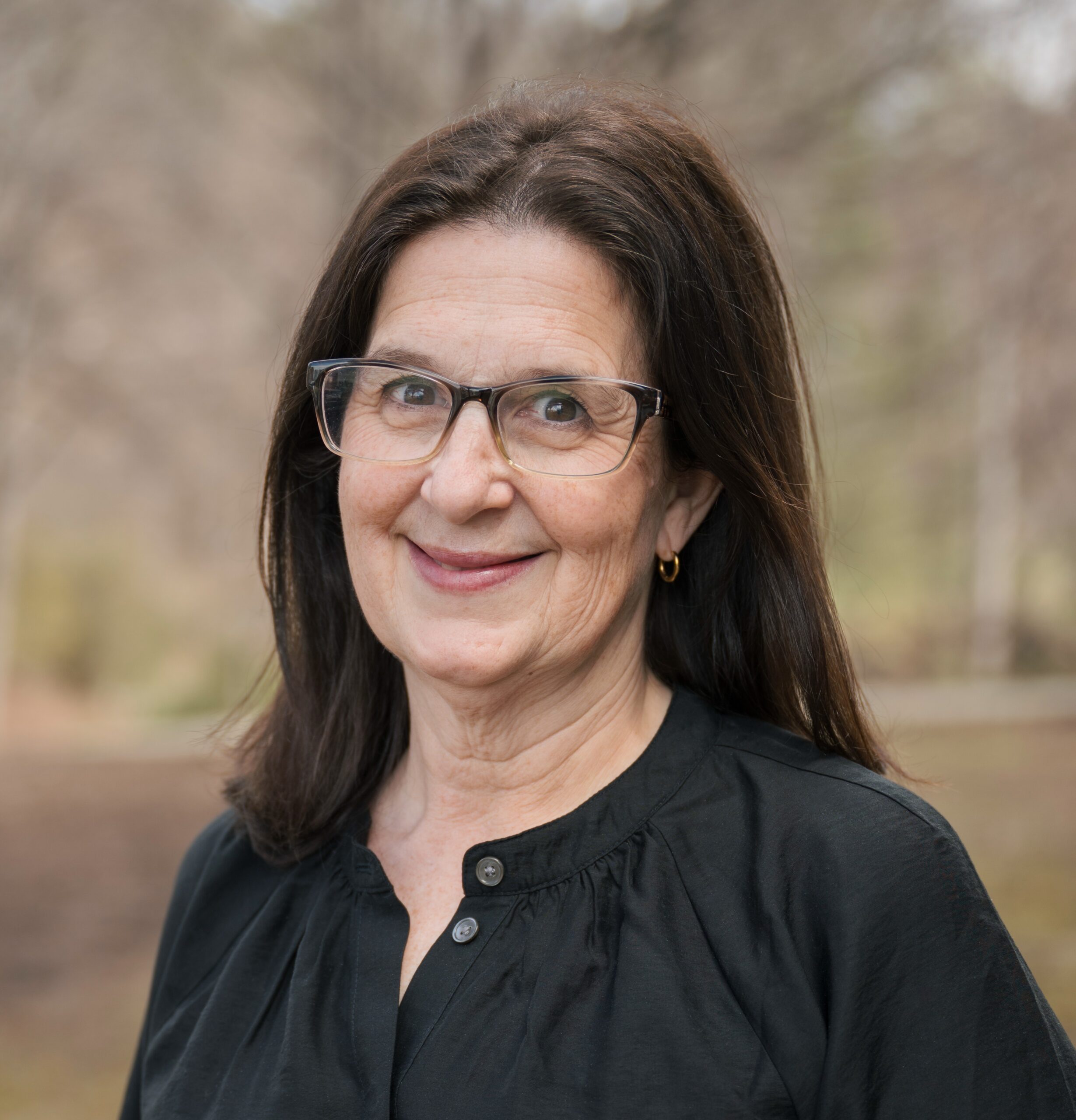
Wendy Cohn, PhD
ORGANIZATION:
University of Virginia (In partnership with Stone Mountain Health Services)
AWARD:
Partnership/Collaborative Establishment Award
Advancing Lung Cancer Screening Equity Through Virginia Partnership & Research
The FQHC Collaborative will expand its partnership to establish a Lung Cancer Screening Impact Team (LCSIT) dedicated to advancing high-impact, equity-centered research and implementation strategies in LDCT. This team will integrate FQHC leaders, community stakeholders, public health experts, and academic partners to strengthen data systems, standardize screening workflows, and co-develop scalable models tailored to rural and underserved settings. By aligning research, practice transformation, and community engagement, the Lung Equity Focused Team aims to increase LDCT uptake and reduce lung cancer mortality among Virginia’s most vulnerable populations.
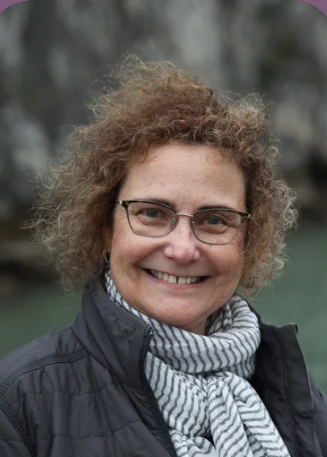
Fern R. Hauck, MD, MS
ORGANIZATION:
University of Virginia (In partnership with Cville Tulips, International Rescue Committee Charlottesville, Blue Ridge Health District)
AWARD:
Partnership/Collaborative Establishment Award
Cultivating Health Equity with Refugee Women: A Community-Engaged, Culturally Responsive Research Collaboration
This project will enhance the Charlottesville area’s capacity to support refugee families by prioritizing refugee women’s mental health as a foundation for strong family care, informed healthcare decision‑making, and effective navigation of U.S. health systems. Built through a trusted partnership among Cville Tulips, UVA’s International Family Medicine Clinic, and community partners, the initiative grows from years of relationship-based work with Afghan and Syrian women. The project advances health equity by shifting refugee women from “recipients” of services to co-designers and leaders of systems change.

Sheri Shannon
ORGANIZATION:
Southside ReLeaf (In partnership with University of Richmond & Virginia Department of Health (VDH)
AWARD:
Partnership/Collaborative Establishment Award
Workplan Action Towards Environmental Resilience (WATER): Co-Creating/Building Capacity for/Working with the Community To Resilient Health Systems in Flood-Impacted Communities
Workplan Action Towards Environmental Resilience (WATER) is a two-year planning initiative designed to understand and address the health impacts of chronic flooding in Southside Richmond. Pluvial flooding following heavy rainfall is a recurring disruption in historically redlined neighborhoods, where standing water, delayed municipal response, mold exposure, and impassable roads create compounding health risks. Flooding can interrupt access to emergency and routine medical care, increase stress, and expose residents to environmental contaminants. Yet the connection between flooding and health outcomes has not been formally documented in a way that supports policy change.

Keisha Taylor, PhD
ORGANIZATION:
Norfolk State University (In partnership with Minority AIDS Support Services, Inc. (MASS)
AWARD:
Partnership/Collaborative Establishment Award
Workplan Action Towards Environmental Resilience (WATER): Co-Creating/Building Capacity for/Working with the Community To Resilient Health Systems in Flood-Impacted Communities
Norfolk State University (NSU), a public urban HBCU in Norfolk, Virginia, proposes a campus-centered, community-engaged initiative to examine and address the intersection of marijuana use, sleep health, and STI/STD risk among undergraduate students. Led by NSU Student Health Services in partnership with Minority AIDS Support Services, Inc. (MASS), the project integrates campus-based research, culturally responsive prevention, and non-punitive intervention strategies grounded in a health equity framework.

Philip Wenkstern
ORGANIZATION:
United Way of Henry County & Martinsville (In partnership with The Virginia Department of Health (VDH)
AWARD:
Partnership/Collaborative Establishment Award
Community Based Strategies to Improve Rural Maternal Health Outcomes
This project will assess the effectiveness of Community Health Workers (CHWs) in addressing maternal health barriers in maternal care deserts in the state of Virginia, during the actual pregnancy and the subsequent 12-month post-partum period. The project will target Martinsville City and Henry County, two localities with some of the worst health outcomes in the state. CHWs will work closely with the Virginia Department of Health (VDH), the local Healthy Heart Collaborative, and a new learning collaborative established through this award that focuses on understanding barriers to maternal and postpartum care in rural communities.

Lea Whitehurst-Gibson
ORGANIZATION:
Virginia Community Voice (In partnership with City of Richmond Department of Parks, Recreation and Community Facilities & City of Richmond Office of Sustainability)
AWARD:
Partnership/Collaborative Establishment Award
Growing Sovereignty: Public Land Stewardship and Community Health in South Richmond
This project asks: How do we, in a climate-endangered, food desert community, create equitable food systems that advance health equity, resilience, and self-determination?
Grounded in seven years of multilingual community engagement along Richmond’s Southside, particularly the Richmond Highway Corridor, this research responds to residents’ identification of food access as both an immediate material need and a structural issue tied to land use, environmental exposure, economic precarity, and exclusion from decision-making. In South Richmond, food insecurity is inseparable from climate vulnerability, historic disinvestment, and lack of local control over land and infrastructure.