
About the program
The Smith Family Awards Program for Excellence in Biomedical Research, a program of the Richard and Susan Smith Family Foundation, has been driving medical breakthroughs by launching the careers of newly independent biomedical researchers for more than three decades. Since 1992, the Program has provided $46.1M in research support to over 200 outstanding scientists. Visit the Smith Excellence page to learn more about the program. The next funding cycle opens in May 2026.
Announcing the newest cohort of Smith Family Fellows
The Smith Family Awards Program for Excellence in Biomedical Research has announced the selection of the 2026 cohort of newly independent faculty. Each awardee will receive three years of funding for research that focuses on basic or translational biomedical research. Congratulations to all of the awardees!
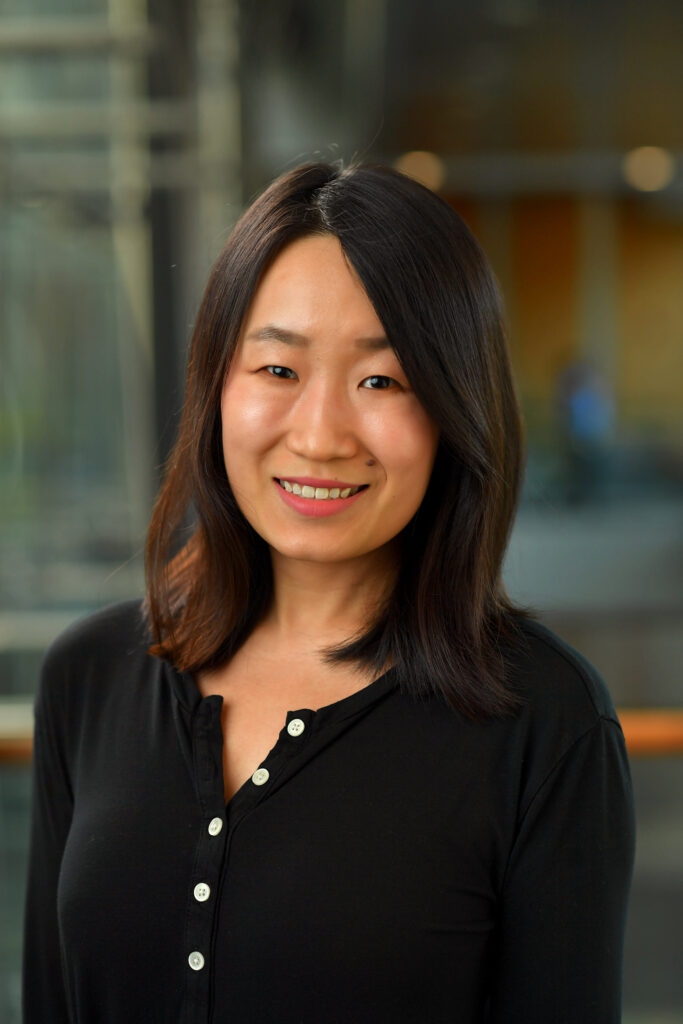
Xin Gu, PhD
INSTITUTE:
Dana-Farber Cancer Institute
TITLE:
Assistant Professor
Transcriptional Regulation by Midnolin-Directed Proteasomes on Chromatin
Every cell in our body must carefully control when and how it turns genes on and off. This control allows cells to respond to changes, for example, when skin cells help repair a wound, immune cells fight infection, or brain cells adapt during learning. A major way cells achieve this is by removing old or unneeded proteins, much like a city relies on garbage collection and recycling to keep things running smoothly.
We recently discovered a new pathway where a protein called midnolin helps guide the cell’s main “recycling machine,” the proteasome, to specific locations on DNA. This is unusual because the proteasome is best known for breaking down proteins floating freely in the cell, not for acting directly at the DNA where genes are switched on. Our findings suggest that this pathway may do more than just dispose of proteins: it may help shape the activity of genes themselves, influencing how cells respond to signals.
With support from this proposed project, we will investigate three major questions. First, we will ask whether bringing the proteasome to DNA changes how “open” or “closed” the genetic material is, which could make certain genes easier or harder to turn on. Second, we will look for other cellular machines that work together with midnolin and the proteasome when they arrive at DNA. Finally, we will study how this process plays out in living tissues during normal development and in diseases such as cancer, where cells grow uncontrollably.
Understanding this system could help explain why certain cancers, like multiple myeloma, shut down the midnolin pathway to protect cancer-causing proteins from being destroyed. In the future, therapies that restore or mimic this pathway may provide new ways to treat such diseases.
In short, this project explores how cells recycle proteins directly at the DNA and how this recycling machinery might be harnessed to improve human health.
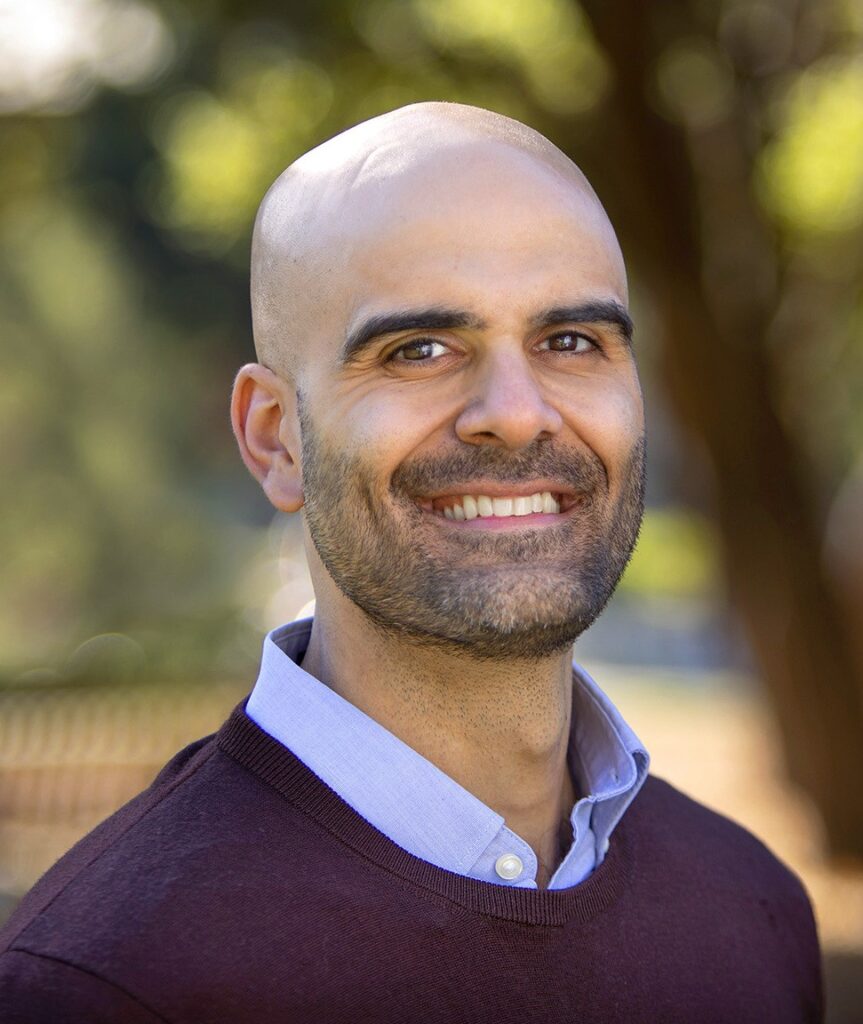
Sahin Naqvi, PhD
INSTITUTE:
Boston Children’s Hospital
TITLE:
Assistant Professor of Pediatrics
Decoding Transcription Factor Dosage Sensitivity: Insights from Neural Crest Development
Every cell in our body must turn the right genes on and off to form healthy tissues. This control is carried out by special proteins called transcription factors, which act like dimmer switches—turning genes up or down as needed. When the levels of a transcription factor drop by half or even less, some organs develop normally while others are severely affected. Why some parts of the body are sensitive to these small changes and others are not is a big mystery in human development and disease.
Our project will study this question using neural crest cells, a group of early embryonic cells that travel through the body and form many different structures, including the face, nerves in the gut, and pigment cells. Neural crest disorders are a major cause of birth defects, yet we do not understand why certain types of neural crest are more vulnerable to changes in transcription factor levels than others.
We have developed laboratory systems that let us precisely tune the level of key transcription factors in human neural crest cells grown in a dish. We will use these systems to understand the molecular wiring within different types of neural crest cells and how it determines if they are sensitive or resistant to changes in transcription factor levels. We will also transplant these cells into mouse gut tissue to watch, in real time, how transcription factor levels control their ability to move and mature into nerve cells.
By combining these approaches, we aim to uncover how cells interpret subtle changes in transcription factor levels and why these changes cause specific developmental disorders. The findings will lay the groundwork for designing stem-cell–based treatments for conditions such as Hirschsprung disease, where the nerves of the gut fail to form properly. More broadly, this research will ultimately guide new therapies for the many developmental disorders caused by disrupted gene control.
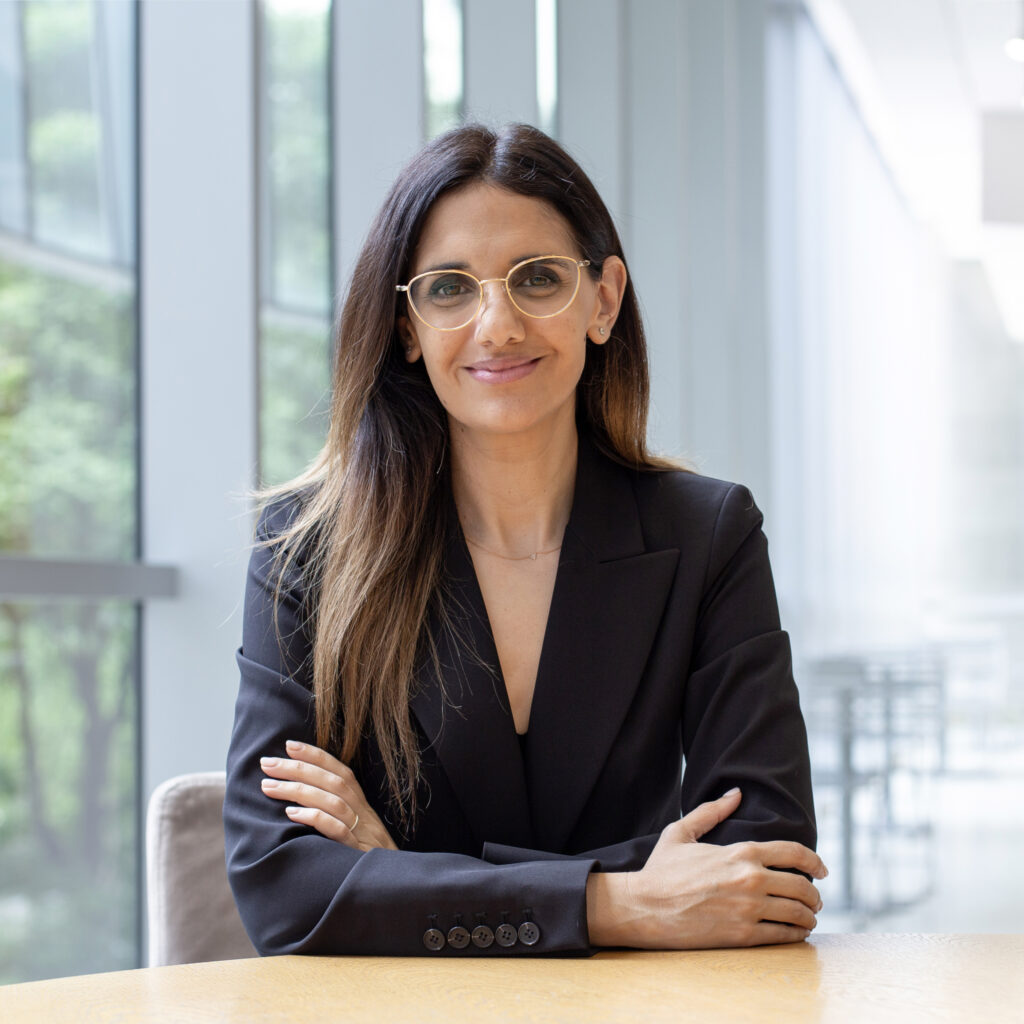
Shira Weingarten-Gabbay, PhD
INSTITUTE:
Harvard University
TITLE:
Assistant Professor of Microbiology
Mapping the Translatome of Arboviruses to Decode Dual-Host Plasticity
Viruses are masters of efficiency. With only a handful of genetic “letters,” they can take over a cell and turn it into a factory that produces thousands of new viruses. Some viruses, called arboviruses (short for arthropod borne viruses), face an especially tough challenge: they must survive and reproduce in two very different hosts, humans and mosquitoes. Examples include Zika, dengue, and chikungunya, which together infect hundreds of millions of people each year.
Even though they carry the same small genome wherever they go, these viruses manage to thrive in both humans and mosquitoes, two organisms that differ profoundly in their biology, immune systems, and cellular environment. How can a single set of genetic instructions work so well in both worlds?
Our hypothesis is that arboviruses use the same genome to produce different sets of proteins in each host. Proteins are the virus’s molecular tools that allow it to enter cells, copy its genome, and escape immune defenses. By changing which proteins are made in humans compared to mosquitoes, the virus can fine tune its strategy, like a musician playing different melodies from the same sheet of music depending on the audience.
To test this idea, our laboratory will use a novel technology that we developed to read which parts of hundreds of viral genomes are turned into proteins. Using this approach, we will compare how viruses make proteins in human and mosquito cells. This will reveal which proteins are unique to each host, which are shared, and how these differences shape the virus’s success.
Understanding this hidden flexibility will change how we think about viral evolution. It will show how mosquito borne viruses adapt so effectively to distinct hosts and identify new weak points that could be targeted by drugs or vaccines. As climate change expands mosquito habitats, uncovering these molecular strategies will be essential for predicting and preventing future outbreaks.
This research will reveal a hidden layer of viral adaptation, explaining how one genome can speak two biological languages.
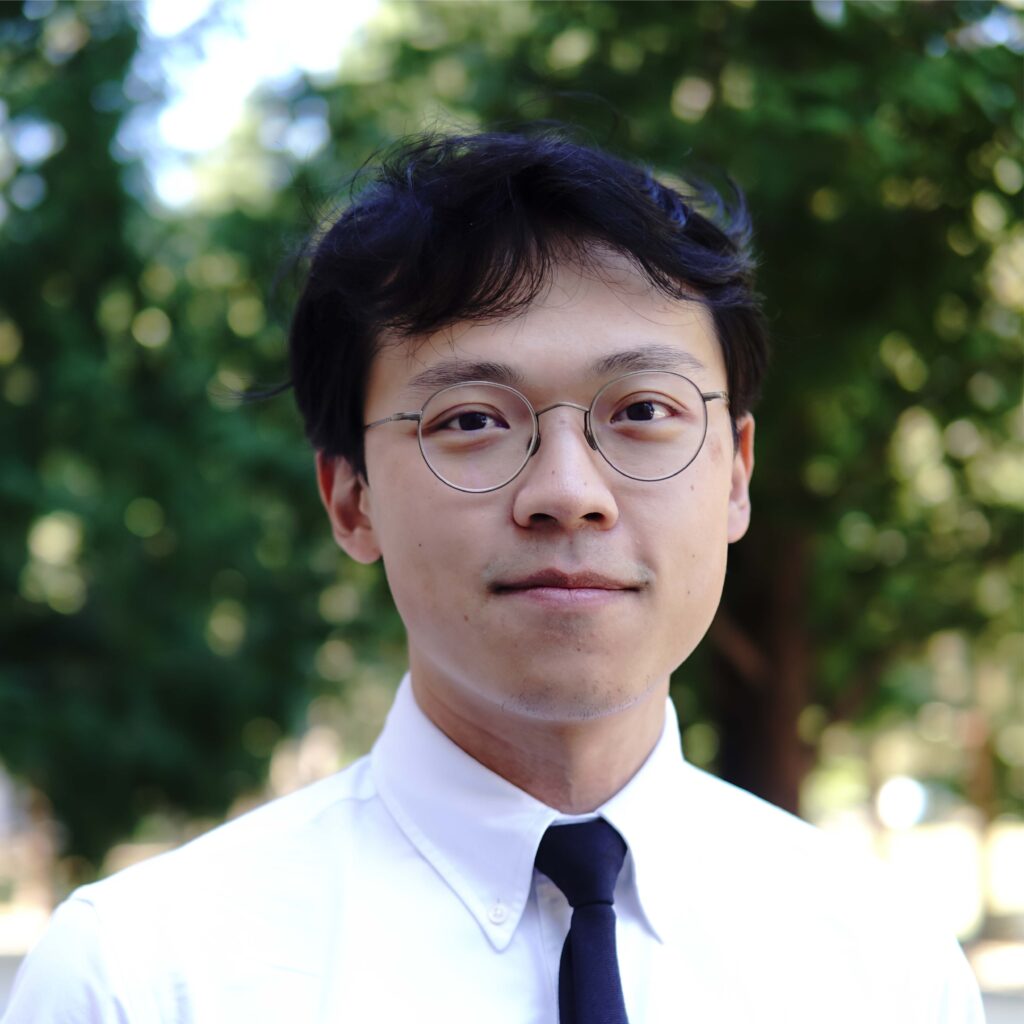
Qinheng Zheng, PhD
INSTITUTE:
Harvard University
TITLE:
Assistant Professor of Biological Chemistry and Molecular Pharmacology
Pharmacological Restoration of Mutant G Protein Activity
Our bodies rely on tiny “switches” inside cells to turn signals on and off at the right time. One important switch helps cells respond to hormones and other outside messages by producing a chemical signal called cAMP. This signal must be carefully controlled—like a traffic light turning green, yellow, and red in the right sequence.
In many cases of pancreatic cancer, this switch is broken. A single change in the protein makes it lose its “off button,” leaving it stuck in the “on” position. When that happens, cells receive constant growth signals, fueling cancer. This mutation is found in the majority of
pancreatic pre-cancers and a significant number of pancreatic cancers, yet there are no approved treatments that directly target it.
Our project takes a new approach. Instead of trying to block the broken switch entirely, we are developing small drug-like molecules that repair the switch and restore its ability to turn off. We call this idea “chemical rescue.” It is different from most current cancer drugs, which block the entire mechanism. Here, we aim to bring the broken protein back to normal function.
We will design compounds that can recognize the specific defect in the cancer-causing protein and act like a missing puzzle piece. First, we will test whether these compounds can restore the switch in simple laboratory experiments. Next, we will examine whether they can slow the growth of cancer cells and organoids—miniature tumors grown in the lab. Finally, we will explore how these compounds might work together with other drugs that target related cancer pathways.
If successful, this work could provide a first-of-its-kind therapy for patients with pancreatic cancer, one of the deadliest cancers with few treatment options. More broadly, it could establish a new way of thinking about medicines: not just blocking harmful proteins, but repairing broken ones. This concept could eventually be applied to many other diseases where proteins lose their normal function.
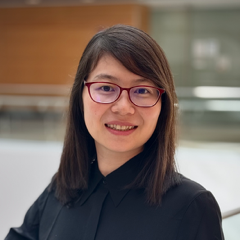
Wenqing Zhou, PhD
INSTITUTE:
University of Massachusetts Chan Medical School
TITLE:
Assistant Professor
Defining Key Microbiota Sensors that Initiate Immune Tolerance in the Gut
Our gut is home to trillions of microbes (termed the microbiota). These microbes are normally beneficial to our health, such as helping with digestion and providing nutrition. Thus, the gut immune system needs to remain tolerant to these beneficial microbes and leave them unharmed. Disrupting immune tolerance to the microbiota causes many diseases, including inflammatory bowel disease (IBD). IBD is a chronic inflammatory disorder impacting the digestive tract and can lead to diarrhea, abdominal pain, malnutrition, and a higher risk of developing colon cancer in patients. There are over 3 million individuals suffering from IBD in the United States, and the incidence rates of IBD are rising worldwide. Thus, it is urgent to develop effective preventative, therapeutic, and curative strategies against IBD.
To trigger an immune response, the immune cells first need to recognize the microbes. Groundbreaking studies identified various sensing receptors for microbes and how these sensors recognize invading pathogens to initiate proinflammatory pathways. The current research still focuses largely on defining how these sensors mount protective/inflammatory defenses against infection. However, the sensors for nonharmful microbiota to specifically initiate tolerogenic responses in the gut and how they fail in human disease are poorly understood. To address this fundamental knowledge gap, I utilized a cutting-edge technology and identified a sensor in a specific group of immune cells, called RORgt+ antigen-presenting cells. This sensor is highly responsive to microbial exposure in the gut, promotes immune tolerance to gut microbes, protects from chronic intestinal inflammation, but becomes dysregulated in the inflamed gut of IBD patients.
Despite these advances, the essential sensors recognizing microbiota to initiate tolerance and their functional significance in intestinal health and inflammation remain largely unknown. Thus, the specific aims of this proposal are to comprehensively define the microbiota sensors, determine how they promote tolerogenic responses, and elucidate how their dysregulation contributes to the onset and progression of intestinal inflammation. Collectively, results from this application will fill major gaps in our understanding of mucosal immunology and open new therapeutic avenues to restore immune homeostasis in barrier tissue and treat inflammatory diseases like IBD and beyond.